 Cáo Moments
Home › Blog › Hidden photographer and video
Proposal Videographer in Vietnam for American Couples
By the Cáo Moments team · 2026-11-01
A proposal videographer in Vietnam for American couples is a professional camera operator who films your surprise proposal or celebration in secret—hiding during the moment, capturing genuine reactions, and delivering an edited video 3–4 weeks later. We at Cáo Moments work with English-speaking videographers who understand how American couples want their stories told: cinematic, emotional, and edited to music. They arrive early to scout lighting and angles, use wireless audio so you hear vows clearly, and position themselves out of sight. The videographer charges separately from our planning fee; ask us for a quote on WhatsApp. Video alone won't protect a surprise—your photographer must blend in with guests or hide entirely, and the couple must truly not suspect a camera. Most couples regret not filming; almost none regret having it filmed.
Why does a hidden videographer work better than a friend with a phone?
A friend filming on their phone stays visible, moves awkwardly, misses the peak moment, and captures shaky, poorly lit footage with drifting audio. A professional videographer uses a cinema camera, arrives 90 minutes early to test lighting and sound, positions themselves outside the couple's line of sight, and knows how to catch the exact second of the proposal, the kiss, the first tears. They frame the background—trees, water, decor—so the couple stands in focus. On a phone, you get a 30-second clip; from a videographer, you receive a 5–8 minute edited film with color grading, music, slow-motion replays, and guest interviews spliced in. The difference feels like the gap between a vacation snapshot and a wedding film. Professional audio matters enormously: wireless lapel mics pick up your voice during vows even with ambient noise. A phone's mic captures the motorcycles on the street instead.

When should you hire the videographer—before or after booking the venue?
Book your videographer at the same time you confirm your proposal planning timeline with us, ideally 4–6 weeks ahead. The videographer needs to know your venue type—rooftop, garden, restaurant, beach—before they arrive, so they can mentally map camera angles and light direction (which way faces the sun at sunset, where shadows fall). If you book the venue first, you can tell the videographer exactly where the proposal will happen; they'll ask you to walk them through the moment (where you kneel, which direction the couple faces) so they can pre-position themselves. Last-minute videographers, hired one week before, often haven't scouted the location and may miss crucial angles due to poor timing or unexpected crowd size. We recommend choosing your videographer when you choose your flowers and decor, so all three teams—videographer, florist, planner—can coordinate on timing and space.
How does the videographer keep the surprise if the couple might see them?
We use three tactics depending on your venue. On a rooftop or garden: the videographer positions themselves 20–30 meters away, using a telephoto lens so they don't need to stand close. In a restaurant: they arrive 15 minutes before the proposal, claim to be a guest, sit at a nearby table, and film discreetly; our planner briefs the restaurant staff in advance. At a public landmark like a temple or riverside: the videographer poses as a tourist with a camera, standing among other visitors, and starts filming only when the proposal begins. The couple rarely notices—they're focused entirely on you, their partner, and the moment. We've never had a videographer revealed in three years at Cáo Moments, though occasionally a couple spots the hidden photographer and photographer and videographer and laughs; we always have a cover story ready ("I wanted stills for your social media"). The real secret: the couple doesn't expect to be filmed because very few people do it, so they don't look for a camera.
What does the final edited video include, and how long does editing take?
The videographer delivers a 5–8 minute highlight film edited to music, usually 3–4 weeks after your moment. The edit includes: the full proposal (your speech, her reaction, the kiss), slow-motion replays of key moments, 20–30 second guest interviews filmed right after the proposal, shots of decor and flowers, and a final montage of the two of you together. Color grading—making skin tones warm, skies richer, details sharper—takes the longest; that's why turnaround is never faster than 21 days. Some couples also request a raw unedited file of the full footage (handy for reliving every second unfiltered), which the videographer provides alongside the short film. If your moment was rained on and lighting was flat, the videographer will tell you during the debrief; they can only enhance what the weather and time of day allow. We recommend watching the uncut footage with your partner at home, private, before showing it to families—the raw emotion is intense.
Should you film in the morning, afternoon, or evening—and does location matter?
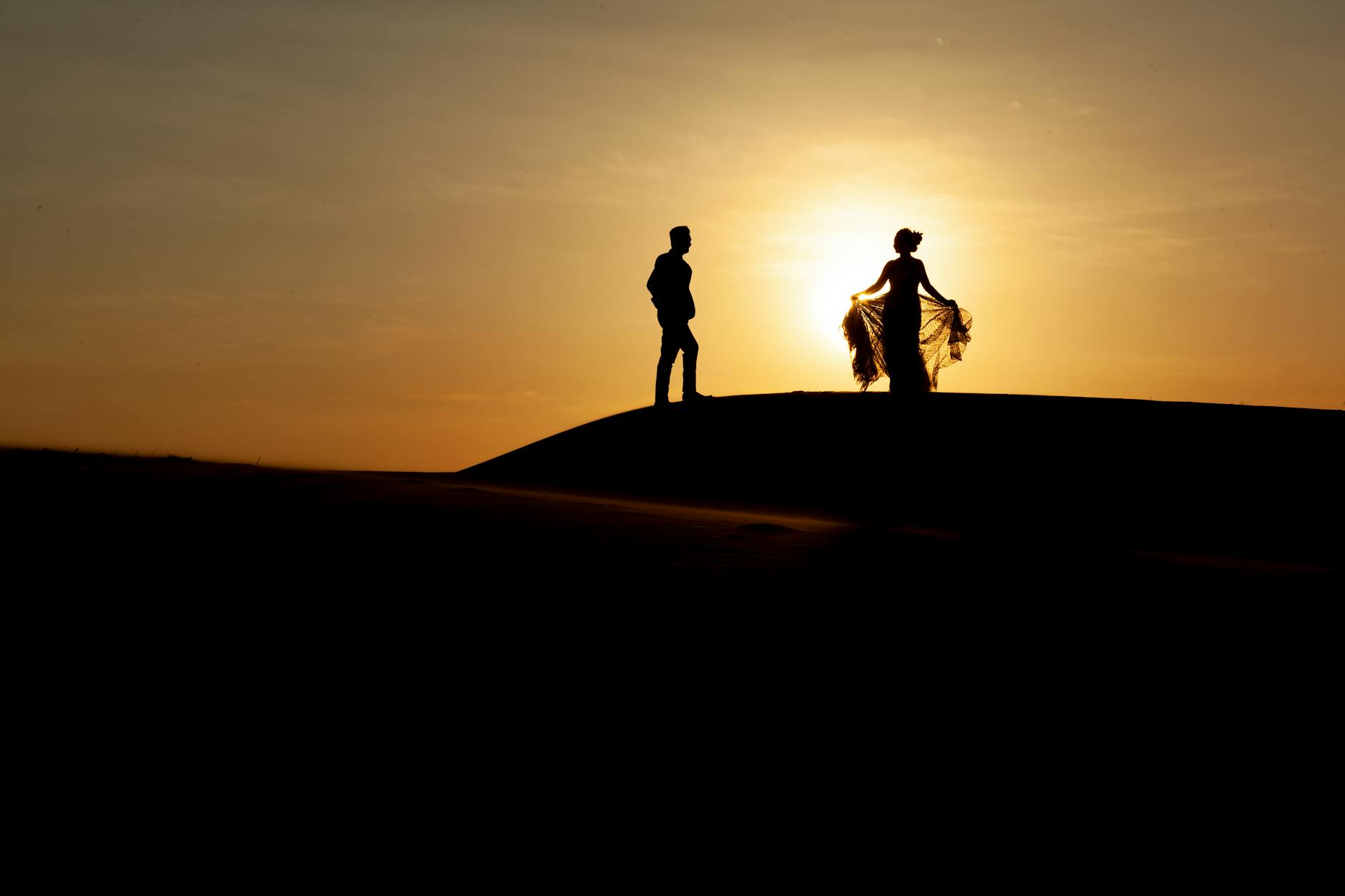
Golden hour (6–8 PM in Vietnam in 2026, when the sun sits low and warm) produces the most flattering, cinematic light for video. The videographer's camera captures skin tones beautifully, creates a warm glow on flowers and decor, and casts long shadows that add depth. Midday sun (11 AM–3 PM) creates harsh shadows under eyes and makes the couple squint; the videographer will use reflectors or ask you to reposition, which delays the moment. Overcast afternoons are actually professional-grade light—flat, even, no shadows—but feel emotionally cooler in the final film. Beaches and water (Phu Quoc, Da Nang, Hoi An) require the videographer to shoot into the sun slightly so the water glimmers behind you; this needs a specific camera setting and positioning. Indoor venues with mixed lighting (tungsten ceiling lights, window daylight) demand the videographer to color-correct each shot, which adds editing hours. We recommend selecting your venue with video lighting in mind—a riverside garden at sunset beats an indoor hotel ballroom, though both are filmable. Ask the videographer to visit your venue at the same time of day you're planning the proposal; a 3 PM rooftop and a 7 PM rooftop look completely different on camera.
| Scenario | Best Light | Video Quality | Editing Time | Note |
|---|---|---|---|---|
| Riverside garden, 6–7 PM | Golden hour | Cinematic, warm tones | 3–4 weeks | Most flattering light; plan here if possible |
| Hotel rooftop, noon | Harsh midday sun | Crisp but unflattering | 4 weeks (extra color work) | Videographer uses reflectors; requires repositioning |
| Beach, 5:30 PM | Sun low over water | Glimmering, dreamy | 3–4 weeks | Backlit; camera settings tricky but stunning |
| Indoor ballroom | Mixed tungsten/daylight | Professional but cool | 4+ weeks | Requires heavy color correction; slow turnaround |
| Rainy afternoon | Overcast, flat light | Moody, even, dull | 3–4 weeks | Honest: not cinematic; rain adds drama, not beauty |
How do you handle rain, wind, or technical failures on the day?
Rain doesn't stop filming—it actually adds drama—but it kills the cinematic look. The videographer will shoot, the footage will appear moody and gray, and editing can't recover golden tones lost to clouds. Wind makes audio capture harder; the videographer uses a windscreen on the wireless mic, but gusty beaches sometimes require repositioning your vows away from the wind. Storms (lightning, heavy downpour) are rare in Vietnam but will force the videographer to stop; we always book backup indoor venues for proposals scheduled during June–September monsoon season. Technical failure—a camera battery dies, a memory card corrupts—has never happened in our coordination with videographers, but we mitigate by asking the videographer to confirm backup batteries, dual memory cards, and a backup wireless mic before arriving. If the videographer does fall ill, we have a 48-hour notice window to book a replacement; this is why you hire early. The honest trade-off: a proposal filmed in rain looks less romantic on screen, but the raw emotion is the same. Show the film to close family only if you're comfortable with muted light; many couples do and treasure it anyway.
Chat with a planner on WhatsApp
What questions should you ask a videographer before booking?
Ask these four concrete questions: (1) What camera and lens do you use? A cinema camera (RED, Sony FX30) with a telephoto lens (70–200 mm) shoots better video than a DSLR or phone. (2) Will you arrive early to scout lighting and test audio? Yes is the only acceptable answer. (3) Do you provide edited film and raw footage? Both should be included; clarify file formats and delivery method (cloud link, hard drive, USB). (4) What happens if I want major re-edits after I see the rough cut? Expect 1–2 rounds of revisions included; additional rounds cost extra. Also ask: Do you shoot in 4K (sharper) or 1080p (smaller files)? Can you film in slow-motion? Do you add subtitles or captions? Will you film guest interviews, and for how long? Can you edit with a specific song in mind, or do you choose the music?
What to check before you book
- Confirm the videographer has filmed at least 5 proposals in Vietnam (overseas videographers unfamiliar with tropical light often overshoot or underexpose).
- Ask if they've worked with American couples before—cultural expectations differ (some couples want tears and emotion front-and-center; others prefer subtlety).
- Verify they speak fluent English; a videographer who communicates through a translator adds friction and delays answers.
- Confirm they have insurance and a written contract that specifies delivery date, edit length, music licensing, and revision rounds.
- Check that they use encrypted cloud storage for your footage (never rely on unencrypted email or USB sticks alone).
- Ask for a sample edited proposal film from a similar venue and time of day; don't judge their work on a beach sunset if your moment is indoors at noon.
Chat with a planner on WhatsApp
Pages from our team you may need

FAQ
Can I book just a videographer without using Cáo Moments for planning?
Yes, but we recommend working with us for the full moment—videographer alone won't orchestrate your decor, flowers, music, or timing, so your proposal might look scattered on film even if it feels magical in person.
How much does a proposal videographer cost in Vietnam?
Ask us for a quote on WhatsApp; pricing depends on video length, editing complexity, and whether you want slow-motion, guest interviews, or color grading included.
What format will I receive the video in, and can I share it on Instagram or TikTok?
The videographer provides an MP4 file optimized for social media (1080p or 4K), plus a raw file for safekeeping. Music licensing may restrict commercial posting; clarify with the videographer before you upload.
How much notice do I need to book a videographer for my proposal?
4–6 weeks is ideal so the videographer can scout your venue and coordinate with our proposal planning team; 2 weeks is possible in low-demand seasons but risks availability.
Will the videographer stay visible during my proposal, or will they hide?
They'll position themselves out of your sightline—usually 20–30 meters away on a rooftop or garden, or posed as a guest in a restaurant—so you're not aware of the camera during the moment itself.
Can I request a specific editing style or music genre?
Yes; discuss your preferences (cinematic vs. intimate, upbeat vs. emotional, pop vs. classical) during the booking call so the videographer understands your vision before filming.
Chat with a planner
Tell us the city, the date and the kind of moment. A planner replies on WhatsApp in English with ideas and what is possible.
FAQ
Can I book just a videographer without using Cáo Moments for planning?
Yes, but we recommend working with us for the full moment—videographer alone won't orchestrate your decor, flowers, music, or timing, so your proposal might look scattered on film even if it feels magical in person.
How much does a proposal videographer cost in Vietnam?
Ask us for a quote on WhatsApp; pricing depends on video length, editing complexity, and whether you want slow-motion, guest interviews, or color grading included.
What format will I receive the video in, and can I share it on Instagram or TikTok?
The videographer provides an MP4 file optimized for social media (1080p or 4K), plus a raw file for safekeeping. Music licensing may restrict commercial posting; clarify with the videographer before you upload.
How much notice do I need to book a videographer for my proposal?
4–6 weeks is ideal so the videographer can scout your venue and coordinate with our [proposal planning team](/proposal); 2 weeks is possible in low-demand seasons but risks availability.
Will the videographer stay visible during my proposal, or will they hide?
They'll position themselves out of your sightline—usually 20–30 meters away on a rooftop or garden, or posed as a guest in a restaurant—so you're not aware of the camera during the moment itself.
Can I request a specific editing style or music genre?
Yes; discuss your preferences (cinematic vs. intimate, upbeat vs. emotional, pop vs. classical) during the booking call so the videographer understands your vision before filming.
More like this
Hidden photographer and video
Hidden Photographer in Saigon: How to Plan, When to Book, What to Expect
A hidden photographer captures genuine reactions before the moment you're planning is revealed. In Saigon, timing, positioning, and trust between you and the planner determine whether the surprise lands perfectly or falls flat.
Hidden photographer and video
Hidden Photographer in Hoi An: How to Choose Your Style
A hidden photographer documents your proposal, dinner, or elopement in Hoi An without the couple knowing—until the reveal. We show you how to pick the right photographer and plan around the ancient town's light and crowds.
Hidden photographer and video
Hidden Photographer in Hanoi: How to Choose the Right Setup
A hidden photographer captures genuine reactions when your partner doesn't know they're being filmed. We'll walk you through how we scout, position, light and protect the secret—and what to decide before booking.