 Cáo Moments
Home › Blog › Marriage proposal planning
Proposal Speech Ideas: Write Yours with Confidence
By the Cáo Moments team · 2026-11-01
A proposal speech is a 2–5 minute declaration of why you want to marry someone, told aloud in front of them (and often witnesses). It typically includes how you met or fell in love, a specific memory or quality you cherish, your vision for your future together, and the actual proposal question. At Cáo Moments, we've coordinated hundreds of proposals across Vietnam—and the speech is always the emotional core. Write it honestly, not perfectly. Avoid scripts that sound rented; use your real voice, your inside jokes, specific moments only your partner will recognize. Practice it once or twice so you don't lose your words under nerves, but not so much you sound robotic. Keep it under five minutes. The venue, flowers, and cake matter—but they amplify what you say, not replace it. Chat with a planner on WhatsApp
What makes a proposal speech memorable?
A memorable speech feels personal to the two of you—not generic. Name the small moment: the coffee shop where you first disagreed about something silly; the night they called you at 2 a.m. when you were scared; the way they laugh at their own jokes. Specificity is what makes people in the room believe you. Emotion matters more than eloquence. A voice that wavers, eyes that well up—those are honest, and witnesses remember them. End with clarity: tell them what you're asking, and why. No ambiguity. The best speeches we've seen last three to four minutes, include one or two moments of vulnerability (admitting you were nervous, that you're not perfect), and finish with a question asked clearly, with enough pause that they have room to answer.
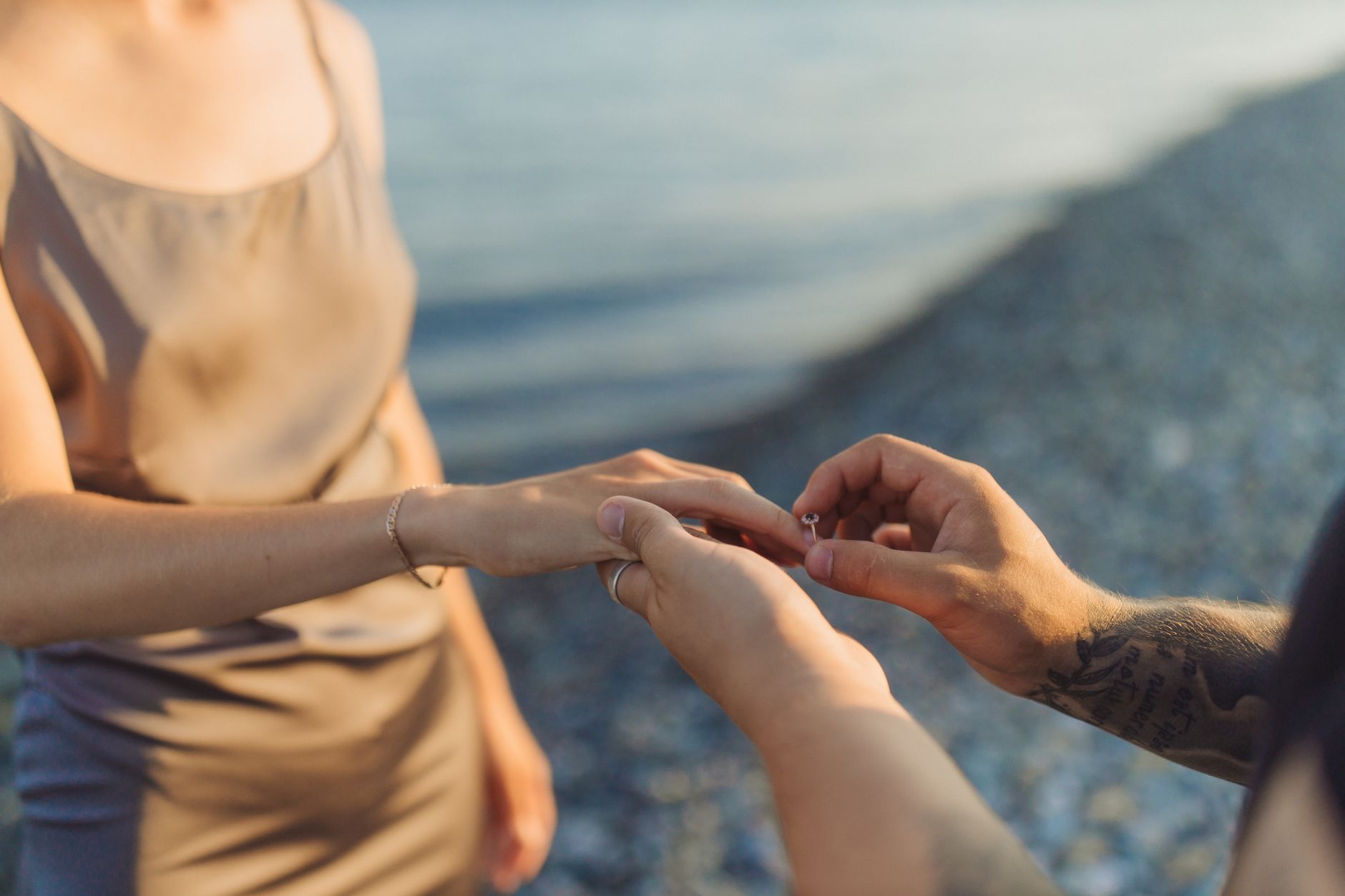
How do you structure it so it doesn't ramble?
Start with how or where you met. One sentence. Then jump to one memory that made you realize they were the one—be specific: "You were helping my mum carry groceries, and you didn't complain or make it awkward, you just did it" beats "You're kind." Then tell them what you love about your life with them now. Then say what you want: a marriage, a future, a home, kids, adventures—whatever is true for you. Finish with the question. That's your structure: origin, one turning point, life now, vision, ask. It takes three minutes if you don't rush. Write it out, read it aloud once, mark where you might pause or breathe. Don't memorize word-for-word; know the shape of what you want to say, and the exact words of the proposal question itself.
Should you mention her family, his family, or both?
Only if it's genuine and brief. If her father was your biggest cheerleader, a one-sentence nod works: "Your dad told me last month he thought you'd say yes, and I believed him." If his mum raised him alone and he credits her with everything, yes, honor that—one sentence. Don't turn the speech into a thank-you list; it's for your partner. If you're not close to their family, skip it. Audiences sense inauthenticity fast. The speech should be about them—your partner—not about proving you fit into their world.
When should you mention the ring or the future together?
Mention the ring only if you want to create that moment together. Some proposals are "I have a ring, will you marry me?" Others are "I'm asking you to choose me, to build a life together—here, I want you to have this" and then show the ring. Both work. Choose whichever feels more natural to you. For the future—kids, travel, a house, how many dogs—only mention what you've both talked about. Don't surprise them with life plans in the same breath as the proposal. Stick to genuine hopes: "I want to keep discovering the world with you" is safer than "I want four kids by 2030."

What if you're afraid you'll cry or forget your words?
You likely will cry. That's perfect. Pause, breathe, take a sip of water. Your partner won't mind. Write your speech on a small card and keep it in your pocket; glance at it if you blank. Practice it once out loud the day before, so your muscle memory knows the shape even if your brain goes fuzzy. Tell a trusted friend or your planner that you're nervous—talking about it beforehand reduces the intensity in the moment. During the speech, look at your partner, not at the crowd. If you lose your place, say "I'm nervous" and smile. That's human. That's what they'll remember.
Comparison: Speech Length vs. Audience Size & Venue
| Venue Type | Audience Size | Ideal Speech Length | Why It Works |
|---|---|---|---|
| Private dinner, just two of you | 0–2 | 3–5 min | Intimacy over polish; you can be raw. |
| Small group (family/close friends) | 5–15 | 3–4 min | Witnesses feel included; you need to project but not perform. |
| Restaurant private room | 10–30 | 2–3 min | Noise and distraction; shorter is sharper. |
| Beach or outdoor public space | Varies | 2–3 min | Wind, distance, potential passersby; brevity keeps focus. |
| Rooftop with extended group | 20–50+ | 2–3 min | High energy, larger space; concise hits harder than elaborate. |
Chat with a planner on WhatsApp
How do you handle a speech if you're not a natural talker?
Write it short: 90 seconds to two minutes. Choose simple words. Use the structure above and stick to it. Write it out word-for-word if that helps, and read it—don't memorize. Hearing your own words out loud several times before the day wires them into your nervous system without making you sound stiff. Practice in front of a mirror, in the car, while you walk. If public speaking terrifies you, tell your partner the night before: "I've written something, but I might be shaky saying it, and that's real." That honesty often moves people more than a polished oration. At Cáo Moments, we've seen quiet, introverted people give the most affecting proposals because their words came from genuine feeling, not performance.
Should your speech reference the proposal moment itself—the venue, the flowers, the surprise?
Only in the moment, after they say yes. During the speech, focus entirely on them and your choice to marry them. Don't say "I rented this rooftop and ordered these flowers because…" That feels like you're selling them on your logistics, not on your love. After the yes, after the kiss, after the tears—then you can point out the flowers and the cake and laugh about how you coordinated it. The speech itself should make the venue irrelevant; they should feel like they'd say yes in a parking lot.
Real Speech Starters That Work
- "I met you at [place], and you [specific action], and I thought, 'That's who I want to be with.'"
- "I've been terrified of getting this wrong, but I'm more terrified of not asking."
- "You make me feel like I'm enough."
- "I want to wake up next to you every morning for the rest of my life."
- "The day you [memory], I knew."
- "You're my favorite person to be bored with."
- "I don't know what I did to deserve you, but I'm not letting go."
None of these are original—they work because they're simple and true. Build from them. Make them yours.
Once your speech is solid, the venue, flowers and decor, and custom cake become the stage for those words. We coordinate the timing so your speech lands at the emotional peak of the moment—after the surprise, with the light right, with a hidden photographer catching it all. The full proposal planning includes deciding where you'll stand, how long to wait before asking (to let the surprise settle), whether to have witnesses or keep it private, and how to keep the secret until the day.
If you're planning in Vietnam—Hanoi, Ho Chi Minh City, Da Nang, Hoi An, or Phu Quoc—we handle the logistics so you can focus on the words. Tell us about your moment, and we'll help you build a proposal that fits your speech, your partner, and your style.
Tell us about your moment
What to check before you finalize your speech
- Does it sound like you? Read it aloud. If it sounds like a greeting card, rewrite it.
- Is it 2–5 minutes? Time yourself.
- Does it include one specific memory only your partner knows? Yes, add one if it's missing.
- Is the proposal question clear and direct? "Will you marry me?" beats "What do you think about forever?"
- Have you practiced it once out loud? Yes. Practice once more the day of, in a quiet moment alone.
- Is anyone else reading it beforehand? Only if you trust them completely—too many opinions muddy your voice.

FAQ
How long should a proposal speech actually be?
Two to four minutes is ideal. Long enough to feel meaningful, short enough to hold attention and emotion. Under two minutes feels rushed; over five feels like a toast, not a proposal.
Can I read my speech from my phone instead of memorizing it?
Yes. Write it out, practice reading it aloud a few times so you're not seeing it for the first time in the moment, then bring your phone or a card. Looking down briefly is fine; reading it word-for-word without ever looking up feels cold.
Should I tell my partner I'm going to propose a speech, or surprise them completely?
Surprise them with the proposal itself; the speech is part of that. You don't need to warn them you'll say words. If they know you're proposing (because you planned the venue together), they still won't know what you'll say—keep that private.
What if I mess up or forget a line mid-speech?
Pause, take a breath, smile at your partner, and continue. They won't mind a stumble; it's real. Everyone in the room will be focused on your emotion and the moment, not your fluency.
Should I include jokes in my proposal speech?
Yes, if they're natural to you and you know they'll land. One gentle joke or reference to a shared inside laugh works well. Avoid self-deprecating humor or jokes at your partner's expense; the tone should feel warm and sincere, not defensive.
How do I practice without spoiling the surprise?
Write it, read it aloud alone or to a trusted friend sworn to secrecy. Practice the shape and rhythm, not word-for-word repetition. Your partner shouldn't hear it until the moment.
Chat with a planner
Tell us the city, the date and the kind of moment. A planner replies on WhatsApp in English with ideas and what is possible.
FAQ
How long should a proposal speech actually be?
Two to four minutes is ideal. Long enough to feel meaningful, short enough to hold attention and emotion. Under two minutes feels rushed; over five feels like a toast, not a proposal.
Can I read my speech from my phone instead of memorizing it?
Yes. Write it out, practice reading it aloud a few times so you're not seeing it for the first time in the moment, then bring your phone or a card. Looking down briefly is fine; reading it word-for-word without ever looking up feels cold.
Should I tell my partner I'm going to propose a speech, or surprise them completely?
Surprise them with the proposal itself; the speech is part of that. You don't need to warn them you'll say words. If they know you're proposing (because you planned the venue together), they still won't know what you'll say—keep that private.
What if I mess up or forget a line mid-speech?
Pause, take a breath, smile at your partner, and continue. They won't mind a stumble; it's real. Everyone in the room will be focused on your emotion and the moment, not your fluency.
Should I include jokes in my proposal speech?
Yes, if they're natural to you and you know they'll land. One gentle joke or reference to a shared inside laugh works well. Avoid self-deprecating humor or jokes at your partner's expense; the tone should feel warm and sincere, not defensive.
How do I practice without spoiling the surprise?
Write it, read it aloud alone or to a trusted friend sworn to secrecy. Practice the shape and rhythm, not word-for-word repetition. Your partner shouldn't hear it until the moment.
More like this
Marriage proposal planning
Best Places for Surprise Proposal in Da Lat: A Planner's Guide
Da Lat's misty highlands and romantic architecture make it Vietnam's premier proposal destination. We share exactly where couples say yes, what to book first, and how we choreograph the surprise from start to finish.
Marriage proposal planning
Best Places for Surprise Proposal in Ninh Binh: Hidden Gems & Planning Tips
Ninh Binh's dramatic landscape—limestone peaks, river valleys, and ancient temples—creates natural proposal venues. We help couples choose the right spot, manage weather, and coordinate every detail so you focus on the moment.
Marriage proposal planning
Best Places for Surprise Proposal in Ha Long Bay
Ha Long Bay offers dramatic limestone backdrops and private water settings ideal for proposals. We reveal the best locations, timing, and how to orchestrate a flawless moment with professional coordination.