 Cáo Moments
Phu Quoc Best Time of Year for Couples: 2026 Guide
By the Cáo Moments team · 2026-11-01
Phu Quoc is best for couples from November through April, when dry weather and calm seas create ideal conditions for beach time, water activities, and outdoor celebration dinners. The island sits off Vietnam's southwest coast and experiences distinct seasons: the dry northeast monsoon (November–April) brings sunshine and low humidity; the wet southwest monsoon (May–October) brings heavy rain and rough seas. Temperatures stay warm year-round (25–32°C), but November–February offer the most comfortable climate for walking, exploring, and intimate outdoor moments. Avoid May–September unless you prioritize fewer tourists and lower rates despite weather risk. Cáo Moments coordinates full celebration setups—private dinners on secluded beaches, flowers, custom cakes, hidden photographers—across the island, timed to maximize comfort and stunning photo light.
The dry season runs November through April, making it the premier window for couples seeking reliable weather and the best backdrop for celebration moments. During these months, northeast winds push rain away, sea conditions remain calm, and daylight stretches long enough for evening beach dinners and golden-hour photography. Humidity drops below the suffocating levels of summer, so walking hand-in-hand through night markets or along coastal paths feels effortless. Water clarity improves, too—if you're planning snorkeling or a sunrise beach proposal, November–March gives you the clearest visibility and flattest seas.
December and January are peak season for good reason: coolest temperatures (around 25°C), zero rain days expected, and the lowest chance of last-minute weather cancellations. If you're flying from a cold climate, this sweet spot feels tropical without feeling oppressive. February stays dry and warm; crowds thin slightly after New Year. March and April begin warming toward 30°C+, but remain absolutely viable—fewer tourists, prices soften, and rains are still rare. April can feel hot by midday, but evenings cool enough for comfort.
We've planned dozens of moments across the island during these months, and the pattern is consistent: sunset light at 6 p.m. feels magical, beach venues stay dry, and we rarely need to trigger backup indoor plans. That reliability is worth the flight cost and advance booking for the couples who choose this window.
When should we avoid Phu Quoc as a couple?
May through October brings the southwest monsoon, with peak rainfall June–September. Rain falls hard and often, not in gentle sprinkles—we've seen entire beach ceremonies shift indoors with 2–3 hours' notice. Seas churn; snorkeling trips cancel; outdoor decor gets damaged by wind. Temperatures spike to 32–34°C with 90% humidity, making outdoor time exhausting. Tourism drops sharply, so restaurant bookings loosen, but the trade-off is real: weather unpredictability, higher chance of illness from humidity, and mood-dampening grey skies.
That said, May and early October sit on the threshold—occasional sunny stretches happen, and if you're flexible with backup plans and accept weather risk, you'll save significantly. Solo travelers and large groups sometimes choose these months and plan indoor-friendly moments (spa day, private dinner in a boutique hotel suite, indoor game night). For couples marking a proposal or anniversary, we counsel reserving the dry season unless budget or calendar genuinely forces May–October; the stress of contingency plans rarely feels worth the savings.
Our honest recommendation: book November–April if this moment matters to you emotionally. The clarity of a guaranteed sunny evening is priceless for memory-making.

What's the real difference between November and April for couples?
Both are dry, but they feel distinct. November marks the start of cool air and lowest humidity—a fresh, energizing vibe. Cooler temperatures mean you can walk around midday without wilting, and evening beach air feels crisp enough for a sweater. Perfect for active couples who want to explore markets, hike, or spend hours outdoors without heat exhaustion.
April is hotter, sometimes 30°C+ by 2 p.m., so outdoor plans shift to early morning or sunset. The trade-off: crowds ease, beach venues feel more private, and there's a languid, romantic slowness to the pace. Water temperatures are warmest in April–May, great for swimming and water-based celebrations.
Choose November–February if you love active exploration; March–April if you prefer leisurely, quieter afternoons and warm water. Both work beautifully. We've coordinated private beach dinners in both windows, and the magic is different but equally strong—crisp November light versus golden-soft April glow.
How do seasonal changes affect celebration planning on the island?
Dry-season planning (November–April) is straightforward: outdoor venues stay viable, decor stays intact, photographers can count on consistent light, and backup indoor spaces are optional backup, not primary. Flower arrangements last longer without humidity-driven wilting. Custom cakes travel safely to beach venues without melting risk. We book venues with confidence and rarely need to call couples with contingency updates.
Wet-season planning (May–October) requires double-checking: we confirm venue rain cover, pre-position backup indoor spaces, brief photographers on low-light technique, and keep floral designs shorter-lived (tropical blooms that handle moisture better). Cakes become smaller or held in climate-controlled preparation until the last moment. Every element has a Plan B, and communication with the couple runs more frequent.
The real difference: dry season planning moves at a relaxed pace with buffer time; wet season planning is tighter, requires faster decision-making, and costs more (backup venues, faster vendor logistics). Both are doable—we handle both—but the rhythm changes.
Which months have the fewest tourists and best rates?
September–October and May see the lowest crowds; some venues offer 20–30% discounts if you know to ask. May is technically still partly dry (heavy rains start mid-May), so early-May windows can feel like a sweet spot: fewer tourists, lower prices, sun still likely. August–September feels emptiest—most people avoid monsoon season entirely—so boutique hotels and private beach clubs are genuinely available.
For couples prioritizing budget over weather certainty, late April and May offer the best trade-off. By October, rains are heavying; avoid it unless you're deeply flexible.
Our couples rarely choose off-season for landmark moments (proposals, anniversaries, elopements)—the weather risk outweighs savings. But for a relaxation-first honeymoon or a babymoon getaway, off-season can work if you build in flexibility and backup plans.
How does seasonal timing affect photography and video capture?
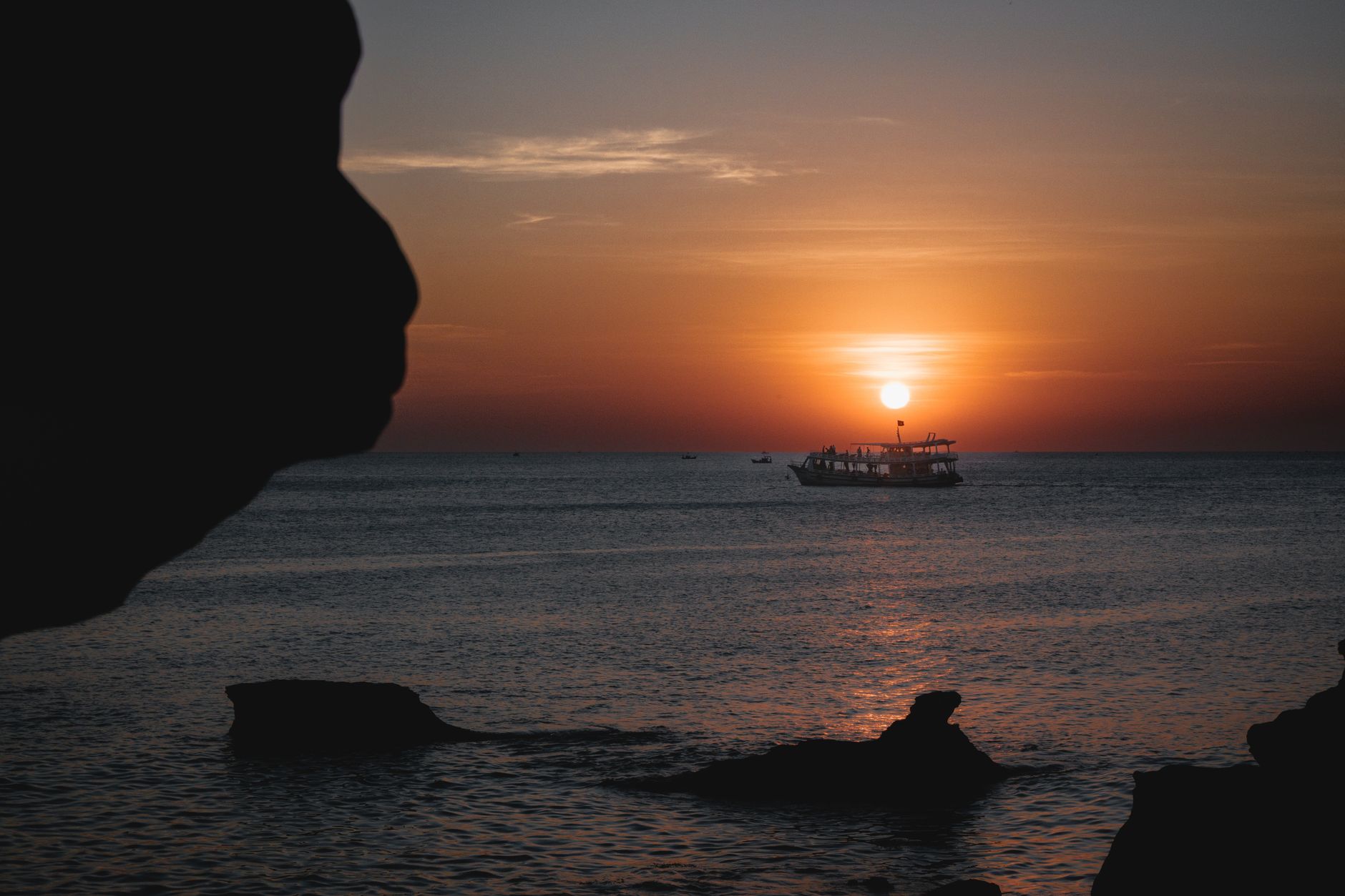
November–February: sunrise at 6:30 a.m., sunset at 5:15 p.m.; light is even, shadows soft, and midday sun harsh (we avoid midday shoots). Golden hour stretches long, giving us a 90-minute sweet window before dusk. Overcast days remain rare, so backlighting (silhouettes against the sun) and side-lit couple portraits feel consistently gorgeous.
March–April: sunrise earlier (6:00 a.m.), sunset later (5:45 p.m.); light intensity climbs by midday, but golden hour deepens to amber-gold tones that feel warmer than winter light. We often shoot later into dusk because the dry air stays clear.
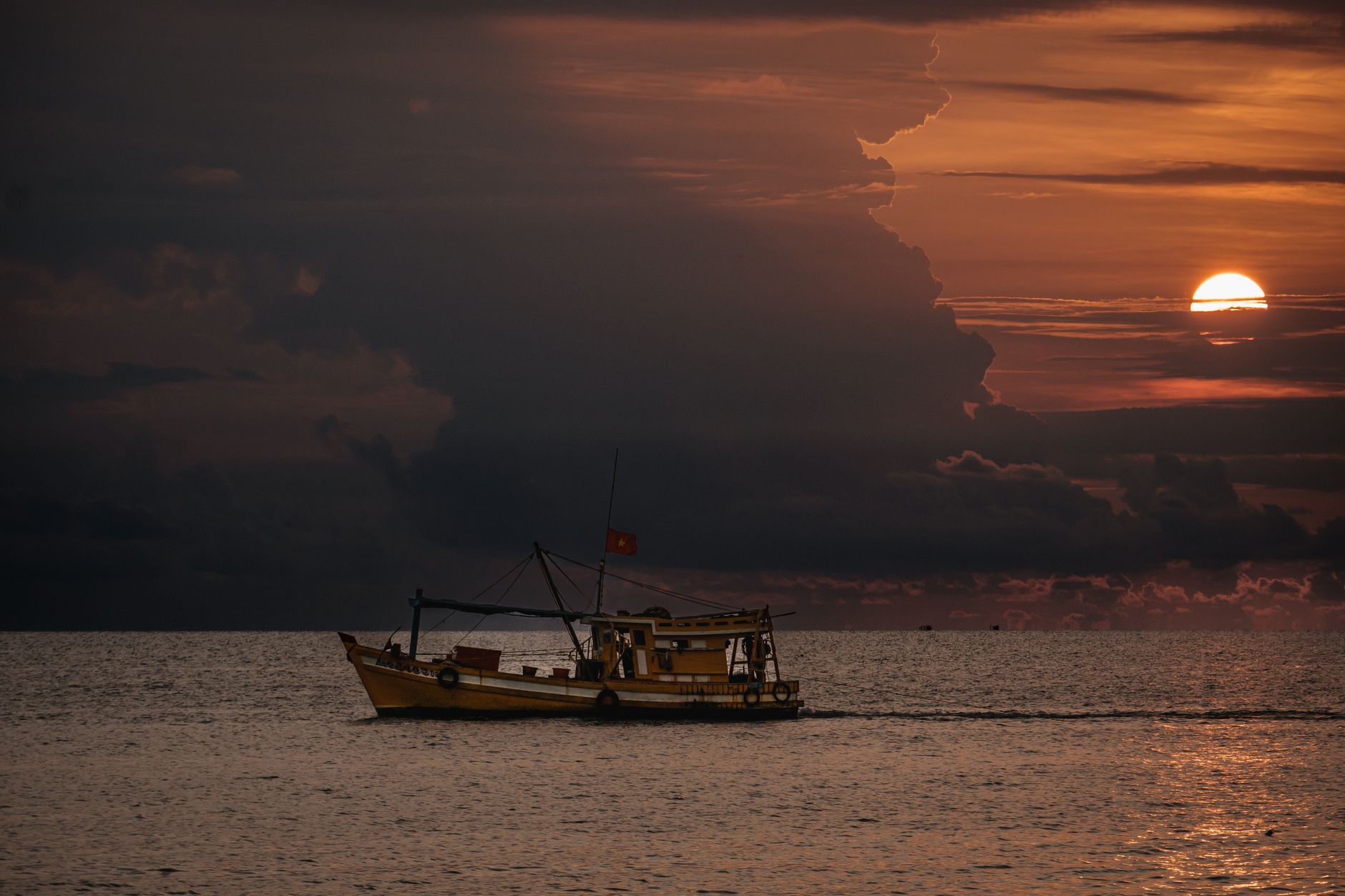
May–October: inconsistent light, frequent cloud cover, and sudden rain stops shoots mid-moment. We shoot faster, use wider apertures to catch available light, and rely on hidden cameras (not just posed portraits) because we can't always count on golden-hour conditions. Video footage in monsoon season looks moody and atmospheric—not bad, just different—but it's harder to predict.
We time proposals and first-look photos for golden hour, so dry-season booking ensures we deliver the light couples imagine. With monsoon bookings, we brief couples on atmospheric, moody tones as a feature, not a limitation.
| Month | Best For | Weather Confidence | Crowd Level | Ideal Moment Type |
|---|---|---|---|---|
| Nov–Dec | Proposals, cool-weather exploration, ceremonies | Highest | Moderate–High | Outdoor celebrations with confidence |
| Jan–Feb | Engagements, active honeymoons, photography | Highest | High | Extended outdoor moments, all-day plans |
| Mar–Apr | Anniversaries, intimate dinners, languid getaways | Very High | Low–Moderate | Sunset-focused, romantic, fewer spectators |
| May | Budget-conscious early planning, if flexible | Medium | Low | Relaxation-first, flexible backup mindset |
| Jun–Sep | Avoiding crowds, deep budget cuts | Low | Very Low | Indoor-centric moments, local experiences |
Chat with a planner on WhatsApp
How to time a celebration moment in Phu Quoc: a planner's checklist
1. Fix your moment type first. Is this a proposal, anniversary dinner, elopement, or honeymoon surprise? Each has different weather sensitivity. Proposals and elopements need flawless outdoor light; relaxation-focused babymoons tolerate cloud cover.
2. Choose your season window (3-month minimum). Mark November–April as preferred. If only May–October works, commit to flexible backup plans—we'll coordinate them, but expect faster decision cycles.
3. Lock venue type and backup location. Do you want a beach dinner, cliffside venue, or resort suite? Identify the primary space and confirm a climate-controlled backup (rooftop pavilion with rain cover, or elegant hotel dining room). Dry-season couples often skip backups; monsoon bookings need them confirmed in advance.
4. Brief your vendors early. Share your moment details with us on WhatsApp, including rough date, must-have elements (custom cake, flowers, hidden photographer), and any flexibility. We'll flag seasonal risks and propose timing tweaks.
5. Confirm kill-dates for final decisions. Three weeks before your date, we lock flower orders, cake design, and decor setup. In dry season, changes after that are minor adjustments; in monsoon season, final confirmations happen 10 days before (faster weather updates mean faster pivots).
6. Build a trigger-plan for rain. If monsoon planning: decide now—move indoors, reschedule by 24 hours, or proceed with atmosphere? Written down, not decided in a panic. Dry-season couples rarely need this.
What to check before you plan your Phu Quoc couple moment
- Visa and flight cost: dry-season flights from your country (check December–April pricing now).
- Accommodation length: do you need 3 days (just the celebration), 7 days (celebration + recovery), or longer? Phu Quoc works as a 4–7 day destination for a couple; longer stays risk repetition.
- Celebration scope: one special dinner, or multi-day plan (proposal + dinner + day activity + anniversary renewal)? Scope determines vendor count and timeline.
- Budget flexibility: dry-season peak pricing vs. shoulder-season discounts. Ask us for a quote on WhatsApp—there's no single price, it scales with your vision.
- Guest count: intimate couple moment, or plus immediate family? More people = harder to keep secrets, more logistical moving parts.
- Dietary and activity restrictions: any allergies (affects cake and menu design), mobility concerns (beach walks vs. easier venues), or cultural preferences we should know?
Real moments we've planned in Phu Quoc's best seasons
We've coordinated intimate elopements on quiet November beaches, anniversary dinners under January stars, and surprise babymoon revelations in March sunset light. Each one leaned on the season's strengths: dry-season shoots mean our hidden photographers capture pristine backlight; cool-month dinners mean candles and flowers last all evening without wilting concerns; calm seas mean water-based surprises (boat ride, snorkeling pause, sunrise swim) feel genuinely safe.
The couples who book November–April rarely regret it. The couples who book May–October and hit a freak storm on their date? We pivot, backup plans activate, and the moment still feels special—but the stress of contingency is real. Honest talk: if this moment is a big deal (and if you're reading this, it probably is), invest in dry-season timing. The weather clarity is worth every bit of it.
Chat with a planner on WhatsApp
Browse our Phu Quoc celebration services to explore venue types, package options, and what's possible on your dates. Start a conversation with us about your vision—we'll recommend the perfect season window and build a plan that feels effortless.
FAQ
Is Phu Quoc ever completely dry, or should I expect at least a little rain every month?
November–April rarely see more than a few rainy hours per month; most days are fully dry. January–March are the most consistent. May–October expect regular downpours—rain 10–15 days per month.
Can we do a beach ceremony in September if we're flexible with dates?
Technically yes, but odds of rain-out are high (50%+). If you commit to moving indoors, rescheduling by 24 hours, or proceeding in drizzle, it's doable. Most couples book dry season to avoid the stress of contingency calls.
Do hotels and venues charge more in November–April?
Yes, peak-season rates are higher than off-season. We'll advise on pricing when you tell us your moment type and rough dates—ask us for a quote on WhatsApp. Shoulder months (March–April, early May) sometimes offer better rates than peak December–February.
What's the water temperature in different seasons?
November–February: 24–26°C (cool, fine for swimming after acclimatization). March–May: 27–29°C (comfortable). June–October: 28–30°C (warmest). Cold-sensitive swimmers prefer March–May; others don't notice much difference.
Should we plan a Phu Quoc moment or go to Hanoi, Da Nang, or Hoi An instead?
Phu Quoc is best for beach-centric moments (proposals on sand, seaside dinners, water activities). Hanoi, Da Nang, and Hoi An offer different backdrops (city romance, mountain scenery, heritage lantern streets). Each season works differently in each place—tell us your vibe, and we'll recommend the right destination and timing.
Chat with a planner
Tell us the city, the date and the kind of moment. A planner replies on WhatsApp in English with ideas and what is possible.
FAQ
Is Phu Quoc ever completely dry, or should I expect at least a little rain every month?
November–April rarely see more than a few rainy hours per month; most days are fully dry. January–March are the most consistent. May–October expect regular downpours—rain 10–15 days per month.
Can we do a beach ceremony in September if we're flexible with dates?
Technically yes, but odds of rain-out are high (50%+). If you commit to moving indoors, rescheduling by 24 hours, or proceeding in drizzle, it's doable. Most couples book dry season to avoid the stress of contingency calls.
Do hotels and venues charge more in November–April?
Yes, peak-season rates are higher than off-season. We'll advise on pricing when you tell us your moment type and rough dates—ask us for a quote on WhatsApp. Shoulder months (March–April, early May) sometimes offer better rates than peak December–February.
What's the water temperature in different seasons?
November–February: 24–26°C (cool, fine for swimming after acclimatization). March–May: 27–29°C (comfortable). June–October: 28–30°C (warmest). Cold-sensitive swimmers prefer March–May; others don't notice much difference.
Should we plan a Phu Quoc moment or go to Hanoi, Da Nang, or Hoi An instead?
Phu Quoc is best for beach-centric moments (proposals on sand, seaside dinners, water activities). [Hanoi](/destinations/hanoi), [Da Nang](/destinations/da-nang), and [Hoi An](/destinations/hoi-an) offer different backdrops (city romance, mountain scenery, heritage lantern streets). Each season works differently in each place—tell us your vibe, and we'll recommend the right destination and timing.
More like this
Phu Quoc
Phu Quoc Romantic Weekend: Plan Your Island Escape
Phu Quoc's turquoise waters and quiet corners make it ideal for romantic getaways. We help couples plan intimate dinners, proposal setups, and surprise celebrations on the island.
Phu Quoc
Phu Quoc sunset spots for couples: where to watch, what to plan
Phu Quoc offers dramatic west-facing shores where sunset runs 17:30–18:15 year-round. We help couples stage these moments with champagne, flowers, and hidden photographers.
Phu Quoc
Phú Quốc Romantic Cafes: Where to Propose and Celebrate
Phú Quốc's island cafes offer sunset views, ocean breezes, and intimate settings perfect for marriage proposals and anniversary celebrations. We handle the full moment—venue, decor, hidden photographer, custom cake—so you can focus on the memory.