
Ninh Binh Best Time of Year for Couples
By the Cáo Moments team · 2026-11-06
Ninh Binh is best for couples in September–October (autumn) and February–April (spring): cool dry weather, sharp limestone visibility, manageable crowds, and ideal lighting for photos. Summer (May–August) brings humidity, rain, and peak tourist traffic; winter (November–January) stays dry but cooler and sometimes misty. Most couples we work with choose autumn for clear skies and fewer motorbikes on scenic roads, or spring for wildflower energy and softer light. Avoid May–June typhoon season entirely. At Cáo Moments, we plan proposals, romantic dinners, and elopements year-round, adapting venues and timings to weather—but autumn and spring let us work outdoors without backup rain plans.
Why does autumn (September–October) work best for couples?
Autumn brings the first cool breezes after summer humidity, temperatures drop to 20–28°C, and rainfall becomes rare. The limestone karst landscape—Hang Mua, Tam Coc, Trang An—looks sharpest in clear air, with dramatic shadows ideal for photographers at dawn. Tourist numbers ease compared to summer, so boat rides feel intimate and restaurants have quieter tables. We've found that couples celebrating an anniversary or planning a proposal in October get golden-hour light without racing against crowds. The season runs through mid-October before winter mist creeps in.

Is spring (February–April) worth the wait?
Spring water is warmest (18–24°C), wildflowers bloom along the rice paddies, and the air feels fresh after winter. March and early April see fewer tourists than peak autumn, yet skies remain mostly clear. Humidity is low, making outdoor romantic dinners and all-day photo sessions comfortable. We often recommend spring to couples planning an elopement who want to hike Hang Mua at sunrise; the light is softer than autumn, which some prefer for video. Spring does carry occasional rain, but it's brief and predictable—easier to schedule around than summer storms.
Should we avoid summer completely?
Summer (May–August) is monsoon season: temperatures hit 30°C+, humidity soars above 80%, and afternoon thunderstorms arrive almost daily. The landscape turns hazy, photos lose clarity, and boat tours get cancelled mid-day. Tourist crowds peak in July–August, which increases noise and reduces availability of quiet venues for intimate moments. We've had couples push their honeymoon surprise to late August or September specifically to avoid June's typhoons. If you must travel in summer, plan indoor moments—a boutique hotel suite, a private dinner in an air-conditioned restaurant—and keep outdoor activities flexible.
What about winter (November–January)?
Winter stays dry (rainfall <50 mm per month) with cool, gentle temperatures (15–20°C). The landscape can turn misty, especially early morning, which some couples love for moody photos but others find limiting. Tourist numbers dip in December–January after autumn peaks. The real drawback: sunrise hikes and boat tours happen in dim light, and outdoor decor setups feel cold for evening celebrations. Late November works well; by January, the mist can blanket scenic viewpoints and ruin sightlines. Winter suits couples who prefer indoor venues or shorter outdoor windows.
How do we plan around weather when we book a moment?
When a couple contacts us about a Ninh Binh proposal, anniversary, or romantic dinner, we ask three things: (1) Do you want outdoor scenery central to the moment, or is an intimate venue enough? (2) Can you move your date by a few days if weather deteriorates? (3) What's your backup plan if rain hits? For autumn and spring bookings, we secure both a primary outdoor location and a covered or indoor alternative (a rooftop pavilion, a riverside restaurant with glass walls). We monitor forecasts 14 days out and move activities earlier or later within a 3-day window. For a hidden photographer capturing your moment, rain actually adds drama—but wind and lightning force us indoors fast.
| Season | Temp (°C) | Rain Risk | Tourist Crowd | Photo Light | Outdoor Comfort | Best For |
|---|---|---|---|---|---|---|
| Sept–Oct | 20–28 | Low | Medium–high | Excellent | Very good | Proposals, photo-heavy elopements |
| Feb–Apr | 18–24 | Low–med | Low–medium | Good–excellent | Very good | Spring anniversaries, intimate dinners |
| May–Aug | 28–32+ | High | Very high | Hazy | Poor (humid) | Indoor venues, backup-plan reliance |
| Nov–Jan | 15–20 | Very low | Low–medium | Soft/misty | Good (cool) | Quiet moments, cozy dinners |
Chat with a planner on WhatsApp
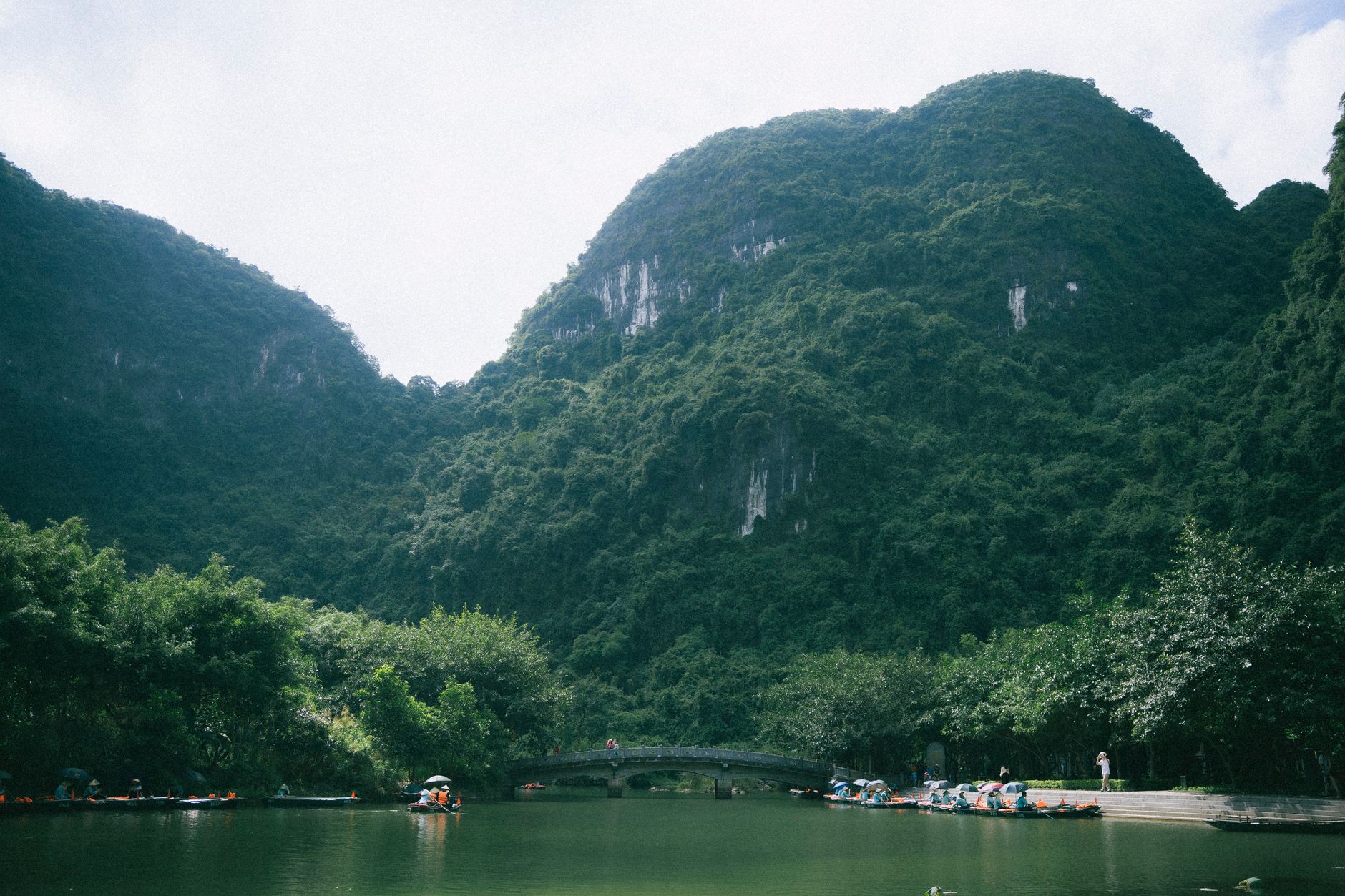
How does Cáo Moments adapt timings for your chosen season?
Autumn's golden hour arrives around 5:00–5:30 PM; we schedule proposals or photo sessions 30 minutes before to catch the warm light as shadows lengthen. Spring's sunrise (around 5:45 AM) is softer; we book hikers and photographers for 5:30–7:00 AM when the landscape glows without harsh contrast. Summer requires us to start earlier (4:30 AM for sunrise, 4:30 PM for sunset) to avoid midday heat and afternoon storms; evening romantic dinners move indoors or to fully shaded venues. In winter, we embrace the later sunrise (6:15 AM) and focus on midday activities when light is clearest. Every season means a different call-time, backup route, and contingency signal with our photographers.
What's the honest checklist for choosing your season?
Ask yourselves:
- Do we love crowds or need solitude? Spring and autumn attract tourists; winter and early summer are quieter.
- Is a photo-perfect backdrop essential? Autumn and spring deliver; summer haze and winter mist compromise landscape shots.
- Can we reschedule if weather turns? Spring and autumn have low rain but occasional surprises; summer requires backup venues; winter mist is predictable.
- Do we prefer outdoor or indoor focal points? All seasons work for dinners and ceremonies indoors; autumn–spring suit gardens, viewpoints, boat rides.
- What's our physical comfort level? Summer is draining; winter can feel cool for evening events; spring and autumn are shirt-sleeve perfect.
We've worked with couples who insisted on a summer proposal despite the heat, and we've managed it—but autumn and spring let us focus on your moment instead of fighting the weather. When you tell us about your moment, share your season preference and we'll build the logistics around it.
Tell us about your moment
Real-world example: autumn proposal vs. spring anniversary
Last autumn, a couple chose October for a proposal with a hidden photographer at a viewpoint near Hang Mua. We started at 4:45 PM, finished shooting by 5:45 PM before dark, and moved to an indoor romantic dinner with custom cake at 6:30 PM—timing tight but flawless because October light is predictable and the venue had a covered back exit. This spring, another couple celebrated their anniversary with a sunrise boat tour at 5:45 AM, then a private breakfast with flowers and decor on a riverside platform. Spring's softer light flattered both the water and their faces; the only risk was occasional mist, which cleared by 6:15 AM. Neither couple could have run those timings safely in summer rain or winter fog.
Chat with a planner on WhatsApp
More planning beyond season
Season sets the stage, but the full moment—proposal, elopement, anniversary dinner—also depends on your venue, guest list, and budget. Explore how we craft moments at the Ninh Binh destination guide, or learn how we plan specific celebrations like proposals, elopements, and romantic dinners. Every season works; the right season just means fewer moving parts and clearer skies.
What to check before you book
- Confirm your flexibility on dates. If you're locked to one day, autumn and spring are safer bets.
- Share your photo priorities. If landscape backdrops matter, rule out summer and heavy winter mist.
- Tell us about indoor backup comfort. Some couples hate being moved indoors; others prefer it. We design accordingly.
- Ask about hidden photographer availability. Peak seasons (Oct, Mar–Apr) book faster; confirm timing 8–10 weeks ahead.

FAQ
Is late September still "autumn" for weather in Ninh Binh?
Late September carries remnants of summer humidity and occasional rain; we recommend waiting until October 1st for more stable conditions. Pre-October, have a strong indoor backup plan ready if storms develop.
Can we do a proposal or elopement during winter mist?
Yes, if moody atmosphere appeals to you. Misty dawn light suits intimate ceremonies and candlelit dinners. However, landscape photography suffers; confirm your photographer can deliver mood-focused shots rather than scenic vistas.
Which season has the least mosquitoes?
Autumn and winter see fewer mosquitoes than summer or spring. We always pack repellent anyway and brief outdoor decor teams to work in shaded, breezy spots where insects are less active.
If we elope in summer, do we really need a backup indoor venue?
Yes. Summer thunderstorms can close hiking trails and cancel boat tours on hours' notice. An indoor ceremony (hotel suite, covered pavilion) plus an outdoor contingency lets us move forward if weather shifts. It's not optional.
How early should we book a moment for autumn or spring?
8–12 weeks ahead for autumn (September booking for October event); 10–14 weeks for spring (December booking for March–April). Peak seasons fill faster; reserve early and we'll adapt the exact date if needed.
Chat with a planner
Tell us the city, the date and the kind of moment. A planner replies on WhatsApp in English with ideas and what is possible.
FAQ
Is late September still "autumn" for weather in Ninh Binh?
Late September carries remnants of summer humidity and occasional rain; we recommend waiting until October 1st for more stable conditions. Pre-October, have a strong indoor backup plan ready if storms develop.
Can we do a proposal or elopement during winter mist?
Yes, if moody atmosphere appeals to you. Misty dawn light suits intimate ceremonies and candlelit dinners. However, landscape photography suffers; confirm your [photographer](/photo-video) can deliver mood-focused shots rather than scenic vistas.
Which season has the least mosquitoes?
Autumn and winter see fewer mosquitoes than summer or spring. We always pack repellent anyway and brief outdoor [decor](/decor) teams to work in shaded, breezy spots where insects are less active.
If we elope in summer, do we really need a backup indoor venue?
Yes. Summer thunderstorms can close hiking trails and cancel boat tours on hours' notice. An indoor ceremony (hotel suite, covered pavilion) plus an outdoor contingency lets us move forward if weather shifts. It's not optional.
How early should we book a moment for autumn or spring?
8–12 weeks ahead for autumn (September booking for October event); 10–14 weeks for spring (December booking for March–April). Peak seasons fill faster; reserve early and we'll adapt the exact date if needed.
More like this
Ninh Binh for Anniversary Trip: Plan a Romantic Escape
Ninh Binh offers dramatic limestone karsts, boat rides through caves, and intimate riverside villages—ideal for couples celebrating together. We help you choreograph the perfect moment within this landscape.
Romantic Things to Do in Con Dao for Couples
Con Dao is Vietnam's most intimate island escape—limestone cliffs, turquoise water, and almost no crowds. We help couples design moments here that feel entirely theirs.
Ninh Binh Private Boat for Couples: How to Plan
A private boat on Ninh Binh's limestone waterway is one of Vietnam's most intimate celebration settings. We plan these moments for couples—anchoring them in real logistics, not fantasy.