 Cáo Moments
Hoi An Best Time of Year for Couples: Planning Your Perfect Visit
By the Cáo Moments team · 2026-11-04
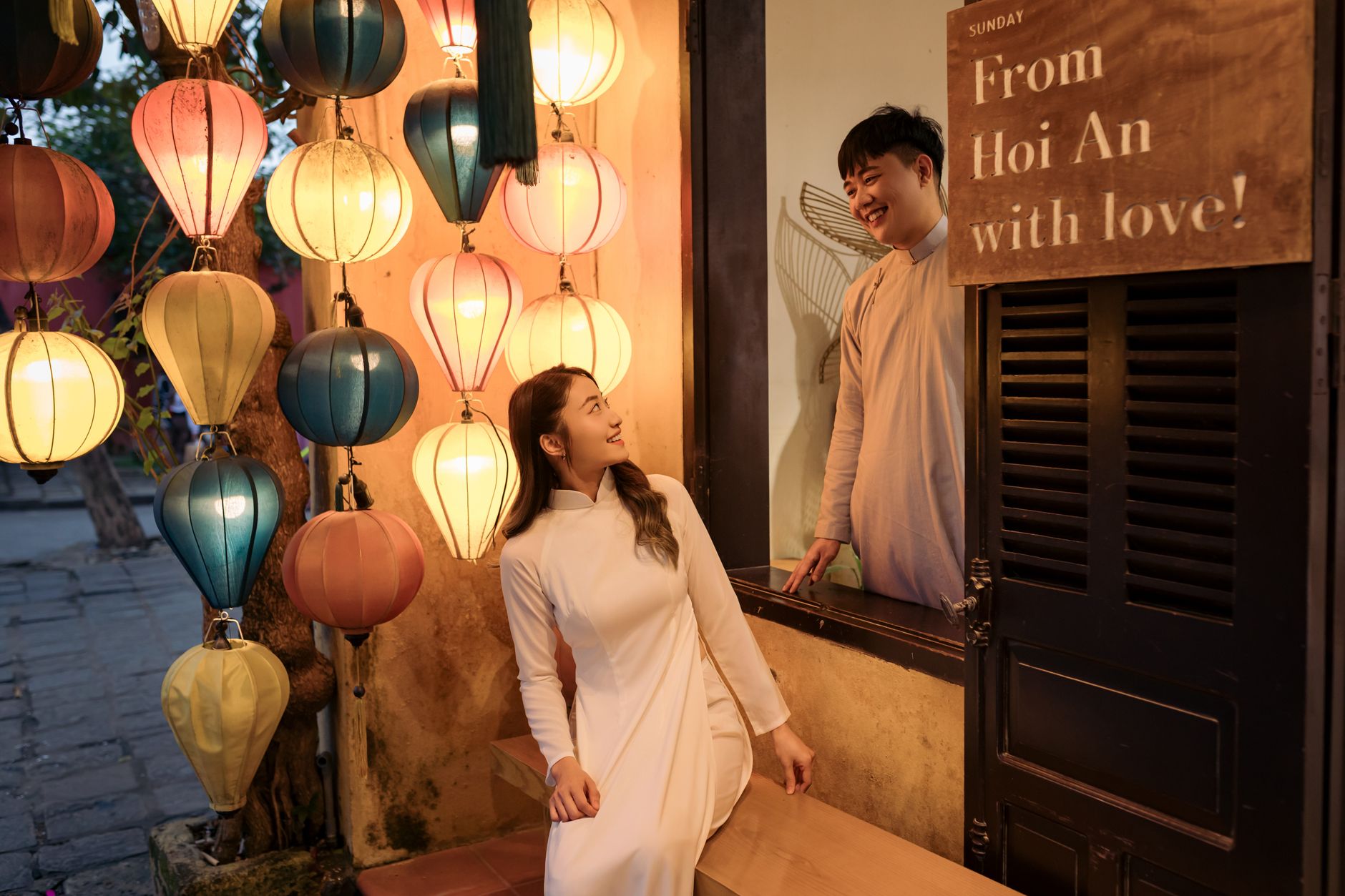
The best time for couples to visit Hoi An is September to April, when weather is cool and dry (15–25°C). October through December offers the most stable conditions: minimal rain, comfortable temperatures, and fewer crowds than Lunar New Year (late January–February). November and early December are ideal for romantic activities—lantern walks stay dry, outdoor dining is pleasant, and the town feels intimate without being overwhelmed. Avoid May through August (heat, humidity, occasional storms). Lunar New Year brings festive crowds but requires advance booking. Cáo Moments plans proposals, private dinners, and surprise elopements year-round; timing choice affects venue access, photography light, and rain contingencies. Ask us for dates that suit your moment.
When is the weather actually best for being outside together?
October to November is the sweet spot—daytime temps 20–24°C, humidity under 70%, almost no rain. You can walk lantern streets comfortably, eat al fresco, and pose for photos without sweating through clothes or fighting storms. December stays pleasant but crowds spike from mid-month onward. January is cooler (15–18°C) but still dry; February's Lunar New Year brings both festive decoration and packed restaurants. By March, heat rises gradually. Late April can reach 28°C but remains dry. September remains unpredictable—occasional heavy rain, but fewer tourists and lower prices. Summer (May–August) is a no for outdoor couple moments: 30–35°C, 80%+ humidity, frequent afternoon thunderstorms that cancel photography and drench flower arrangements within minutes.
Chat with a planner on WhatsApp
How do crowds and festivals affect booking a surprise moment?
Mid-October to mid-December: manageable crowds, venues have availability for private dinners and decorated setups. Lunar New Year (late January–February): restaurants fully booked 2–3 weeks ahead, decor teams swamped, photographer schedules tight. Mid-May to August: lowest tourist density but worst weather—afternoon storms arrive 70% of days, outdoor venues become liability, and vendors close early. December 20–31: holiday surge, expect premium rates and 3-week lead times. Easter weeks (March–April): regional holiday, modest uptick but still bookable. Hoi An's festivals—Lantern Festival (monthly full-moon evening, atmospheric)—add charm but draw crowds; we coordinate around them or use them as backdrop. Plan proposals and romantic dinners 4–6 weeks out in peak season (Nov–Dec), 2–3 weeks minimum in shoulder months.
What's the practical difference between dry season and wet season for a couples' celebration?
| Season | Months | Avg. Rain Days | Outdoor Viability | Photo Conditions | Lead Time Needed |
|---|---|---|---|---|---|
| Dry (Best) | Oct–Nov | 2–5 | Excellent | Sharp, golden hour clean | 4–6 weeks |
| Dry (Good) | Dec–Jan | 3–7 | Excellent | Cool tones, less glare | 4–6 weeks |
| Dry (Okay) | Feb–Mar | 5–10 | Good | Heat haze afternoon | 3–4 weeks |
| Dry (Marginal) | Apr | 8–12 | Fair | Hot, occasional storms | 2–3 weeks |
| Wet (Risky) | May–Aug | 15–20 | Poor | Dim, constant threat | Last-minute only |
| Wet (Unpredictable) | Sep | 12–18 | Risky | Variable, sudden storms | 2–3 weeks |
Dry season lets us commit to garden setups, string lights, and open-air venues without rain tents. Wet season means waterproof decor, indoor backup rooms, short-notice reschedules. We build contingency into every plan, but dry-season bookings give photographers and florists more creative freedom.
Why does November–early December stand out for couples' moments?
Three factors converge: stable weather (almost no rain, 22–24°C daytime), post-Halloween-pre-Christmas timing (tourists are intentional, not peak-season herds), and Hoi An's famous lantern-lit Old Town reflects perfectly on still water. We've coordinated more anniversary celebrations and elopement ceremonies in this window because decor setups don't battle humidity, custom cakes stay stable during transport, and sunset photography happens reliably. November also sits between major holidays—fewer local events competing for venues—so a hidden photographer can work discreetly, and private dinner venues hold garden space without conflicts. By mid-December, booking windows close fast and weather remains good but crowds thicken. Early December is the last calm week before the rush.

How should we adjust our moment plan for other seasons?
January–February (Lunar New Year): Celebrate around the dates—book Jan 10 or Feb 20 instead of peak week. New Year festivities add visual drama (lanterns, fireworks, crowded streets) but squeeze vendors. Plan 6+ weeks ahead.
March–April (Spring heat): Request venues with shade; move flower arrangements indoors until ceremony start; schedule photography 6–7 AM or after 4 PM to avoid harsh midday light. Confirm custom cake storage (fridges overworked in heat).
May–September (Wet season): Assume indoor main event with outdoor photo option (weather permitting). Bring moisture-absorbing packs for decor. Book a backup indoor venue simultaneously. Shorten timelines; vendors may cancel last-minute due to storms. Honeymoon surprises planned for autumn arrival avoid monsoon disappointment.
October–November (Your optimal window): Book 4–6 weeks out. Request outdoor venues. Ask your planner for a photo-video package with "golden hour" timing—the light is forgiving, memories are vivid, and the Old Town backdrop looks magazine-ready.
What questions should you ask a planner before locking dates?
- Venue backup plan? If rain cancels outdoor setup, where do we pivot the dinner or ceremony? Walk through it together.
- Photographer availability for your exact date? Dry season books faster; confirm they're booked specifically for your time, not tentatively.
- Flower/decor lead time? Seasonal blooms vary; ask what's locally available November vs. May.
- Cake storage and transport? Heat and humidity damage buttercream; confirm your custom cake designer has fridge space and moisture control.
- Contingency fee? Some planners charge to reschedule; clarify upfront.
- Hidden photographer timing? If light quality matters (it does), ask when sunset or golden hour occurs—timing shifts month to month.
We spell these out on WhatsApp before payment, and adjust the plan if your chosen season poses real constraints.
What to check before you book
- Weather history for your exact dates (past 5 years): search "Hoi An weather [month]" to see rain probability, not just averages.
- Venue availability confirmation: A restaurant may be closed for renovation Oct 15–20; don't assume it's open year-round.
- Local holidays and festivals: Lunar New Year, Mid-Autumn Festival, or national holidays affect staff, crowds, and transport.
- Your own flexibility: If you're set on a specific date (anniversary, birthday), we plan around it. If you can shift by 2–3 weeks, dry season opens better light and lower stress.
- Photographer portfolio: Ask to see images from your chosen month. Golden-hour October photos look different than soft-blue February.
Chat with a planner on WhatsApp
The romantic Hoi An guide has venue ideas and timing details. Tell us your moment—proposal, elopement, vow renewal, or surprise celebration—and we'll build a plan that fits the season and the weather.

FAQ
Is Hoi An expensive for couples during peak season?
Peak season (Nov–Dec) typically sees higher venue rates and longer minimum stay requirements, but availability remains good. Shoulder seasons (March–April, September) often offer better rates. We get quotes for your dates and help you choose timing that balances weather, crowds, and budget fit.
Can we plan a proposal in Hoi An during the rainy season?
Yes, but with strategy. May–August storms arrive predictably in late afternoon; we book morning ceremonies outdoors, move to covered venues by evening. Indoor proposal plans (hotel suite setup with hidden photographer and flowers) work beautifully and sidestep weather risk. Lead time shrinks because backup-venue demands increase.
What's the difference between visiting for a regular trip and planning a romantic moment?
A tourist visits freely; we coordinate every detail—venue, timing, decor, photographer, cake, music—in one seamless plan. For couples' moments, we check weather forecasts, scout light conditions, brief venues on discretion, and keep the secret until the right minute. A regular trip leaves timing loose; our moments lock timing tight.
Should we visit Hoi An during Lunar New Year for romance?
It's festive and visually stunning, but crowded and logistically hard. Restaurants require bookings weeks ahead, photography gets photobomb risk, and staff are stretched. Unless the holiday itself is meaningful to you, we suggest December 1–15 or January 10–20 for the same mood without the chaos.
How far in advance do we need to book a surprise for Hoi An?
Dry season (Oct–Dec): 4–6 weeks. Shoulder season (Mar–Apr, Sep): 2–4 weeks. Wet season (May–Aug): 2–3 weeks but with higher reschedule risk. Anniversary celebrations and elopements need the most lead time because multiple vendors (photographer, florist, cake, musician) align to one moment. Reach out on WhatsApp with your date; we'll confirm what's possible.
Chat with a planner
Tell us the city, the date and the kind of moment. A planner replies on WhatsApp in English with ideas and what is possible.
FAQ
Is Hoi An expensive for couples during peak season?
Peak season (Nov–Dec) typically sees higher venue rates and longer minimum stay requirements, but availability remains good. Shoulder seasons (March–April, September) often offer better rates. We get quotes for your dates and help you choose timing that balances weather, crowds, and budget fit.
Can we plan a proposal in Hoi An during the rainy season?
Yes, but with strategy. May–August storms arrive predictably in late afternoon; we book morning ceremonies outdoors, move to covered venues by evening. Indoor [proposal](/proposal) plans (hotel suite setup with hidden photographer and [flowers](/flowers)) work beautifully and sidestep weather risk. Lead time shrinks because backup-venue demands increase.
What's the difference between visiting for a regular trip and planning a romantic moment?
A tourist visits freely; we coordinate every detail—venue, timing, [decor](/decor), [photographer](/photo-video), [cake](/cake), music—in one seamless plan. For couples' moments, we check weather forecasts, scout light conditions, brief venues on discretion, and keep the secret until the right minute. A regular trip leaves timing loose; our moments lock timing tight.
Should we visit Hoi An during Lunar New Year for romance?
It's festive and visually stunning, but crowded and logistically hard. Restaurants require bookings weeks ahead, photography gets photobomb risk, and staff are stretched. Unless the holiday itself is meaningful to you, we suggest December 1–15 or January 10–20 for the same mood without the chaos.
How far in advance do we need to book a surprise for Hoi An?
Dry season (Oct–Dec): 4–6 weeks. Shoulder season (Mar–Apr, Sep): 2–4 weeks. Wet season (May–Aug): 2–3 weeks but with higher reschedule risk. [Anniversary celebrations](/anniversary) and [elopements](/elopement) need the most lead time because multiple vendors (photographer, florist, cake, musician) align to one moment. Reach out on WhatsApp with your date; we'll confirm what's possible.
More like this
Hoi An
Hoi An Romantic Weekend: Plan a Perfect Couple's Escape
Hoi An's lantern-lit riverside charm makes it one of Vietnam's most romantic destinations. We help couples transform a weekend visit into an unforgettable celebration—from private dinners to custom surprises.
Hoi An
Hoi An for Couples: A 3-Day Itinerary with Private Moments
Hoi An is built for couples—the old town glows at dusk, the Thu Bon River hums with boats, and every corner invites slow time together. This itinerary balances the must-see landmarks with quiet moments we've learned matter most.
Hoi An
Most Romantic Places in Hoi An: Where to Plan Your Moment
Hoi An's lantern-lit streets and riverside charm draw couples seeking intimacy. We show you where to go, what makes each spot special, and how to orchestrate a proposal, dinner, or vow renewal there.