 Cáo Moments
Home › Blog › Private romantic dinners
Beach Dinner Vietnam Checklist: Plan It Right
By the Cáo Moments team · 2026-11-01
A beach dinner checklist in Vietnam covers five core elements: venue scouting (confirm tide times, power access, wind direction), weather backup (rain shelter or inland pivot), guest coordination (arrival, dietary needs, parking), logistics (staff arrival two hours early, lighting by 5pm, sound check), and contingency timing (eat before 7:30pm to catch light, or after 8:15pm for full dark). Cáo Moments plans these dinners by locking the date three weeks ahead, running two site visits (daylight and near-sunset), and stationing a backup indoor venue. Most failures come from underestimating sand wind, tide height at dinner time, or phone signal for coordination. A typical beachside dinner takes six weeks of planning; costs vary by season and group size—ask us for a quote on WhatsApp.
A beach dinner in Vietnam sounds simple. It is not. We've coordinated romantic dinners on sand, rock platforms, and floating pavilions across Da Nang, Phu Quoc, and Hoi An—and learned hard lessons about what looks stunning at 3pm and what survives at 7pm.
This checklist is what we actually do, the questions we ask ourselves, and the trade-offs we make on-site.
What makes a beach venue work, and what doesn't?
A workable beach dinner venue has four non-negotiable traits: firm sand (not powdery, which shifts tables), wind break (a rock outcrop, palm line, or fabric screen), power access (generator or hotel electrical cord within 50 meters), and a defined footprint (no tide encroachment during your dinner window). We've lost dinners to soft sand that sank table legs mid-meal, and to wind that blew napkins, flowers, and name cards into the sea. A rocky cove or a lagoon beach near a resort works better than open shore. Always visit at the exact time you plan to dine—sunset behavior differs wildly from twilight. Lighting changes how the space feels; we test it on-site, not from photos.

How do you protect against rain and sudden weather?
Vietnam's coast is unpredictable. May to September is typhoon season; October to April is safer but not guaranteed. We never plan a beach-only dinner without a secondary inland venue within ten minutes' drive—a boutique hotel private room, a garden pavilion, or a riverside restaurant we've pre-approved and held as backup. We monitor forecasts from day-14 onwards; if rain probability exceeds 40% within three hours of your dinner, we shift to the backup and tell you by noon that day. We've also used clear-top marquee tents (that arrive at 4pm) for light rain, but strong wind can tear them; we don't rely on them alone. Lightning means immediate evacuation—there's no romance in a hospital visit. Have your backup plan written into the contract with your planner before you book.
What should you decide about timing: early sunset or late dark?
Timing is a setup choice, not just a preference. An early dinner (5:30–7:00pm) catches the golden hour; photos look warm, the sky is blue and orange, and you finish before full dark. A late dinner (8:00–9:30pm) means you dine under stars and candlelight—more intimate, but you can't see your food's color, and some guests find it cold. Twilight (7:00–8:00pm) is a compromise; it's the longest window, but the light shifts fast and photography becomes harder. We typically recommend early dinner for proposals (maximum drama, perfect light for reactions) and late for anniversaries (privacy, romance). Tide timing matters: confirm that high tide won't flood your footprint by calling the local beach authority or resort. A three-meter tide swing can wreck a carefully placed table.
How do you coordinate flowers, cake, and decor on sand?
Sand and delicate flowers are enemies. Saltwater wind, sand spray, and humidity wilt petals in ninety minutes. We use hardy blooms—orchids, roses, celosia, foliage—and keep arrangements in tall vases weighted at the base (never low and spread; they blow over). Bouquets for beach dinners need to be wrapped in food-grade plastic underneath to block salt. Cakes are trickier: humidity ruins buttercream, and sand gets everywhere. We use fondant or ganache (more stable), keep the cake in a cooled box until the last moment, and cover it between courses. Decor—lanterns, runners, place settings—gets secured with sand weights or anchors; we've seen a gust take a whole table runner. String lights should be on a separate circuit from music so one failure doesn't kill both. Do a full setup run-through the day before if possible.
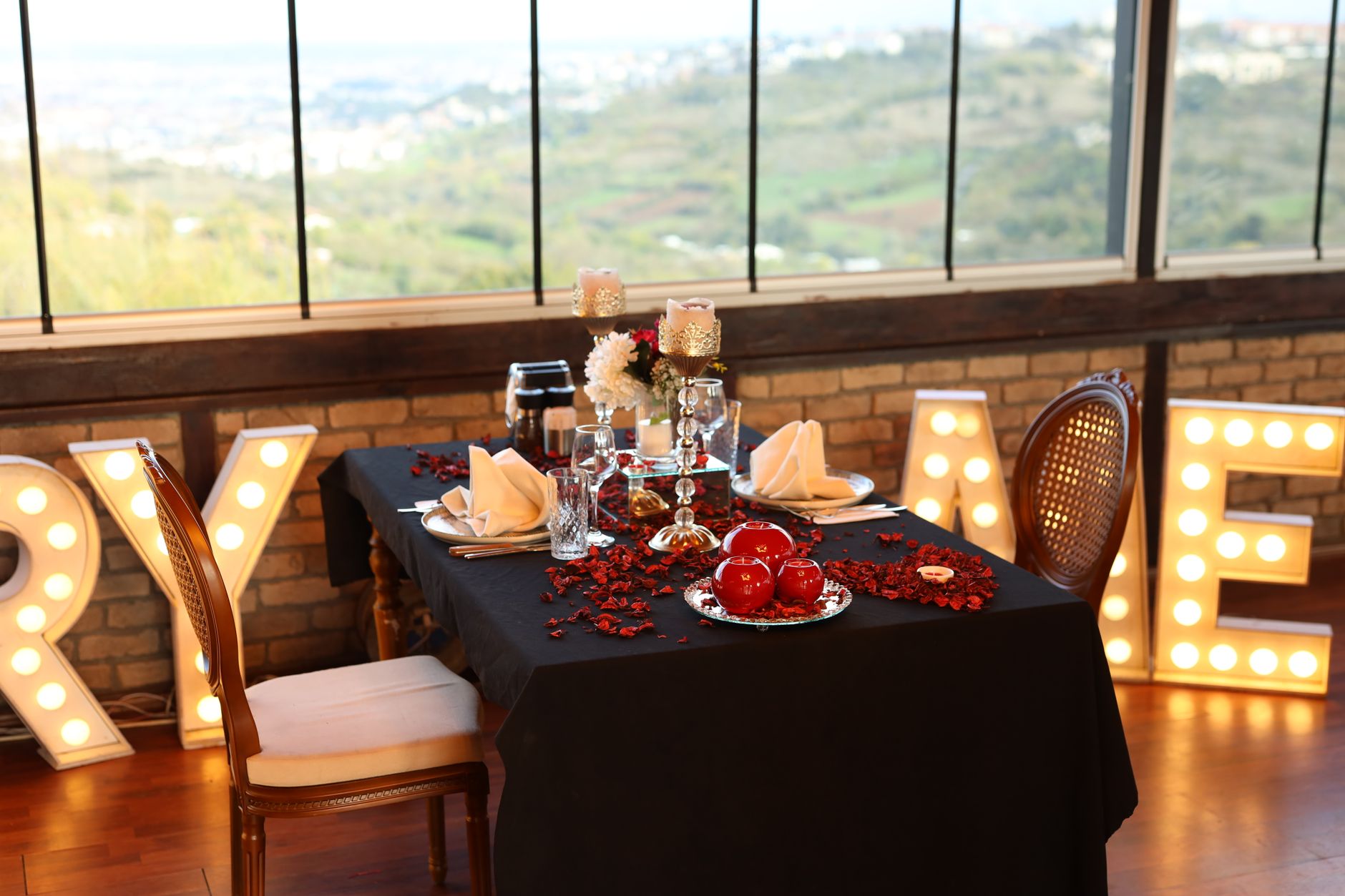
What's your checklist for logistics and hidden capture?
Our on-site team arrives two hours before guests. By hour one, we've marked the perimeter (stakes and rope), tested power, confirmed water access, and set up a hidden gear station behind a screen or in a reserved cabana. By hour 1.5, flowers are in water, tables are dressed, lights are tested, and the photographer/videographer is positioned—usually standing back or elevated (a small dune or platform works) so they're not in shots but capture reactions. We brief your server or a staff member on timeline: when to pour, when to serve, when to dim lights for cake or a speech. Phone signal matters—confirm it ahead; if it's weak, we use a dedicated walkie-talkie with your planner and photographer. Have a guest list with dietary needs sent to us two weeks prior. Plan for one server per four guests if you're on sand; they tire faster. A backup generator should be on-site and tested by 4:30pm. If you're using music (a speaker or a live instrument), do a sound check at 5pm so you hear what wind does to it.
What decision framework helps you choose between types of beach dinners?
| Dinner Type | Best For | Light Window | Sand Stability | Setup Time | Weather Risk |
|---|---|---|---|---|---|
| Sunset open beach (5:30–6:45pm) | Proposals, group celebrations | 60 min | Moderate | 2.5 hours | Medium |
| Twilight cove (7:00–8:00pm) | Mixed (intimate + photos) | 45 min | High (firm sand) | 2 hours | Low-medium |
| Late dark (8:30–9:45pm) | Anniversary, elopement renewal | 15 min before dark | High | 1.5 hours | Low |
| Tented (rain backup) | Any + monsoon season | Flexible | High | 3.5 hours | Very low |
Choose by your priority: if photos matter most, go early. If intimacy matters, go late. If weather is a factor, tent it or stay inland.
Chat with a planner on WhatsApp
Specific steps the week of your dinner
Monday (six days before): Confirm final headcount and any last-minute dietary changes. Finalize music playlist and send it to us. Confirm backup venue is still available.
Wednesday: Do the on-site visit with your planner. Walk the exact table footprint. Take photos at your planned dinner time (light matters). Check tide tables one more time.
Friday: Weather forecast is now reliable for Saturday/Sunday. If rain >40%, we decide on backup venue by 10am Friday. Confirm with your florist and cake maker that salt-resistant blooms and stable icing are locked. Brief any guests on transport and arrival time.
Day-of (morning): Check weather once more at 8am. Staff and vendors confirm arrival slots (florist 3:30pm, cakes 4:00pm, setup crew 4:30pm). Planner sends you a checklist text by 2pm: "All on track. See you at [time]."
One hour before guests arrive: Photographer is in position. Server has tasted the dishes and confirmed timing with kitchen. Lights are on. Music is playing quietly. Table is full-dressed. You are calm (or as calm as possible).
What actually goes wrong, and how to fix it
Sand gets into food. Real answer: it does, slightly. Use high edges on plates, cover dishes between courses, and brief servers to shield plates from wind. A small spray of wind is normal; if a gust kicks sand visibly, pause and wait sixty seconds.
The tide rises faster than expected. We've learned to ask locals, not guidebooks. Call the resort or beach authority the morning-of and ask, "What's high tide at 7:15pm today?" If it's within 30 centimeters of your table level, move the table back or pivot to backup.
A guest's phone dies and they can't coordinate arrival. We collect all phone numbers two weeks ahead and build a WhatsApp group for last-minute updates. A planner (not you) sends reminders.
Power fails at 6:45pm. Lights die. Music stops. We keep a backup battery-powered speaker and handheld lanterns in the gear kit. String lights can fail; we've never had a generator fail because we rent from a hotel or event company (not a market vendor) and test it the day before.
Flowers wilt an hour in. We use tropical, salt-hardy blooms and keep them in sealed boxes with wet floral foam. A light mist of water every thirty minutes keeps them alive. Orchids, roses, and celosia are the safest bets.
Rain starts at 6:55pm for a 7pm dinner. This is why we have a backup indoor venue. We've had to pivot twice; both times, the pivot venue was ready and felt just as special. A good planner doesn't panic; they move.
What to check before you commit
- Does the venue owner allow private dinners on that date? (Not all beaches permit it; some require permits.)
- Is there a rain-backup option, and does it feel acceptable to you? (If not, don't proceed.)
- Can power be delivered reliably? (Ask the resort engineer, not the concierge.)
- What's the nearest road access, and how long does a vehicle take to arrive if someone gets ill? (A five-minute walk matters in an emergency.)
- Does the beach have a strong undertow or warning flags? (Even off-dinner hours, it's a sign.)
- Who owns liability if something breaks? (This should be in your contract.)
- Have you visited the venue at your planned dinner time, on an overcast day? (A sunny photo looks different than a cloudy dusk.)
We coordinate private romantic dinners from concept to last-photo, and we plan the full moment—venue, flowers, cake, decor, music, and hidden photo—so you can just show up and feel it. Beaches in Vietnam are stunning, but they require a team that knows the wind, the tide, and the light. Chat with us on WhatsApp to walk through your idea.
For dinners beyond the beach, explore our guides to romantic Phu Quoc, romantic Da Nang, and romantic Hoi An dinners.
Chat with a planner on WhatsApp
FAQ
How long does a beach dinner setup actually take?
Full setup (tables, flowers, lights, decor, sound check) takes 2–3.5 hours depending on weather and footprint size. We arrive two hours before your first guest and finish walking the site thirty minutes before you sit down.
Can we get married on the beach during a dinner?
Yes. A vow renewal or elopement dinner combines ceremony and meal; we coordinate with local authorities for any permits. Ask us about elopement and vow renewal moments on WhatsApp.
What happens if we choose a beach but it rains?
We've pre-arranged a secondary inland venue and move there by 10am that day if rain exceeds 40% probability. The backup feels different but is equally private and special; we've done it twice and neither couple regretted the move.
Do we need a professional photographer at a beach dinner?
Not required, but recommended. Sand and low light are tough for phone cameras. We place a hidden photographer behind your sightline; you forget they're there, and the reactions are real. See hidden photographer and video options.
What food works best on a beach?
Avoid sauces that go cold easily; stick to grilled fish, seafood, or meat. Dessert should be stable (ganache cake over buttercream). We work with a restaurant or caterer who knows sand service; they use higher-edge plates and cover dishes between courses.
How much does a beach dinner cost?
Ask us for a quote on WhatsApp. Costs vary by group size, season (Oct–Apr is peak), and whether you choose a resort beach (easier logistics) or remote cove (more dramatic but longer setup).
Chat with a planner
Tell us the city, the date and the kind of moment. A planner replies on WhatsApp in English with ideas and what is possible.
FAQ
How long does a beach dinner setup actually take?
Full setup (tables, flowers, lights, decor, sound check) takes 2–3.5 hours depending on weather and footprint size. We arrive two hours before your first guest and finish walking the site thirty minutes before you sit down.
Can we get married on the beach during a dinner?
Yes. A vow renewal or elopement dinner combines ceremony and meal; we coordinate with local authorities for any permits. Ask us about [elopement and vow renewal moments](/elopement) on WhatsApp.
What happens if we choose a beach but it rains?
We've pre-arranged a secondary inland venue and move there by 10am that day if rain exceeds 40% probability. The backup feels different but is equally private and special; we've done it twice and neither couple regretted the move.
Do we need a professional photographer at a beach dinner?
Not required, but recommended. Sand and low light are tough for phone cameras. We place a hidden photographer behind your sightline; you forget they're there, and the reactions are real. See [hidden photographer and video options](/photo-video).
What food works best on a beach?
Avoid sauces that go cold easily; stick to grilled fish, seafood, or meat. Dessert should be stable (ganache cake over buttercream). We work with a restaurant or caterer who knows sand service; they use higher-edge plates and cover dishes between courses.
How much does a beach dinner cost?
Ask us for a quote on WhatsApp. Costs vary by group size, season (Oct–Apr is peak), and whether you choose a resort beach (easier logistics) or remote cove (more dramatic but longer setup).
More like this
Private romantic dinners
Candlelight Dinner with Photographer in Saigon: Plan & Book
A candlelight dinner with a hidden photographer in Saigon means venue, custom lighting, flowers, a plated meal, and a photographer capturing genuine moments without guests noticing—all coordinated by a single planner on WhatsApp.
Private romantic dinners
Candlelight Dinner with Photographer in Hoi An
A candlelit dinner in Hoi An's lantern-lit streets becomes unforgettable when a photographer documents it unseen. We walk you through the setup, the decisions, and what actually happens on the night.
Private romantic dinners
Candlelight dinner with photographer in Hanoi
A candlelight dinner with a hidden photographer lets you relax and be present while we document your real reactions. We handle everything — venue setup, custom decor, floral arrangement, the photographer's timing — so you focus on each other.