 Cáo Moments
Home › Blog › Private romantic dinners
Beach Dinner in Vietnam: What to Expect & How to Plan
By the Cáo Moments team · 2026-11-01
A beach dinner in Vietnam typically runs 2–3 hours on a beachfront or cliffside platform, beginning at sunset (around 5:30–6:30 pm depending on season). It includes a private or semi-private table, locally sourced or custom cuisine, fresh flowers, soft lighting (usually battery or solar lanterns to avoid power issues), and a hidden photographer capturing the evening. Expect warm air, salt-wind effects on decor, and a 30–40% chance of brief showers May–October; we always build a covered backup area and waterproof contingency plans. Cost varies by guest count, menu complexity, and venue—ask us for a quote on WhatsApp. The key to success is booking 6–8 weeks ahead, confirming venue electricity and water access, and protecting flowers and cake from humidity and wind. --- Chat with a planner on WhatsApp
What does "beach dinner" actually mean in Vietnam?
Beach dinners here aren't always table-on-sand like you might imagine. We work with three main setups: private dining pavilions or platforms 10–50 meters from the water (protected, wired for electricity), open-air beachfront terraces on boutique hotel property (managed tables, staff nearby), or secluded coves on island or coastal resort grounds. Each trades weather protection for intimacy. A pavilion keeps your cake dry and your flowers stable but feels slightly more formal. A terrace offers full beach views but needs tighter decor anchoring and faster cake transport. A cove is the most romantic—and the most dependent on tide, wind, and a narrow weather window. We choose based on your must-haves: privacy, views, food quality, or photo angles. Most couples ask us first, "Can we really be alone?" The honest answer: semi-private (other diners nearby but screened by palms or distance) is the default; fully private costs more and requires a venue that closes a section for you.
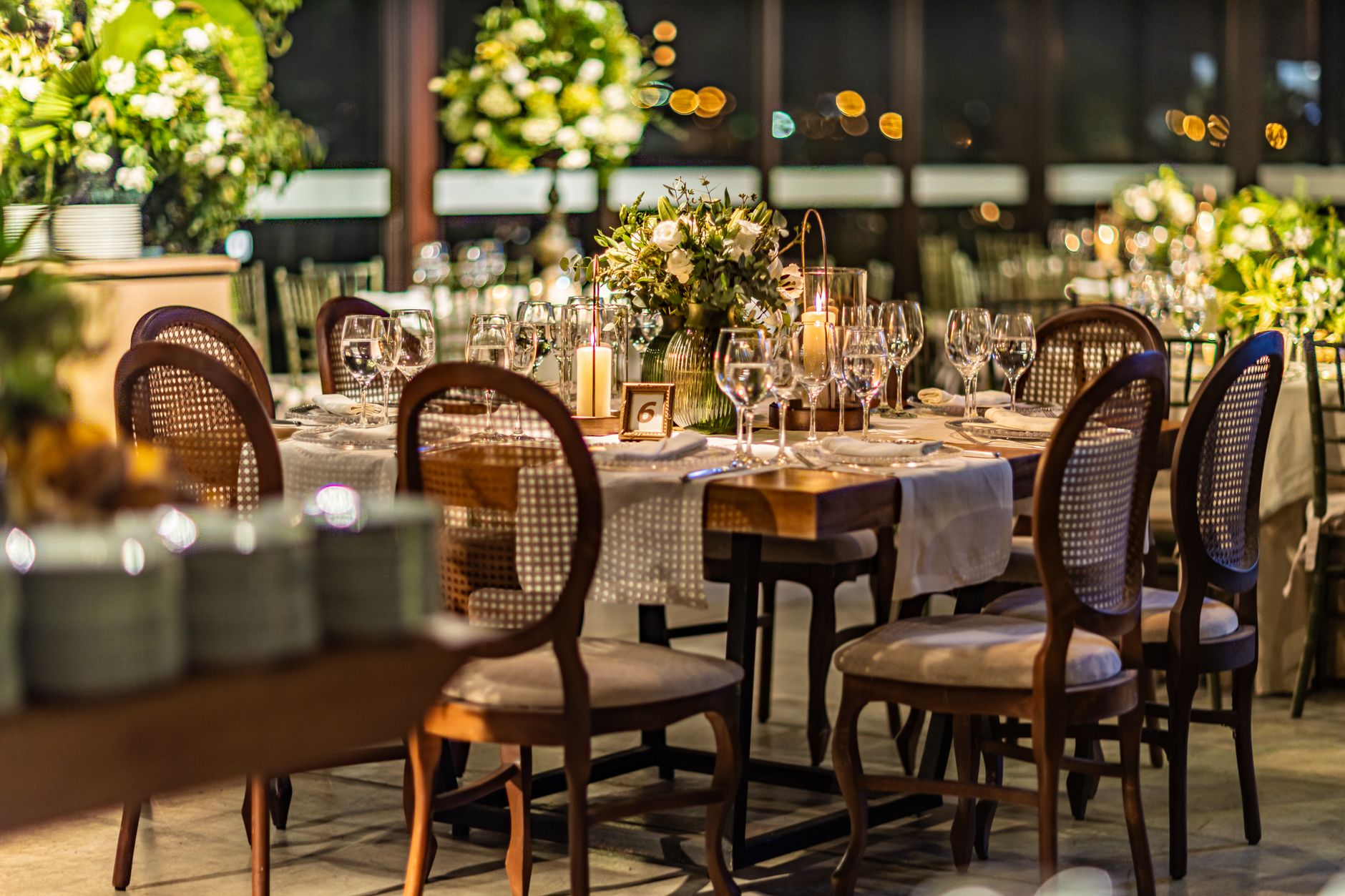
When is the best time of day, and how does monsoon affect it?
Sunset timing in Vietnam shifts dramatically by location and month. In Phu Quoc or Phu Quoc-like coastal areas, November–April offers 5:45–6:15 pm sunsets, calm seas, and low rain risk—we book sunset dinners for 5:30 pm arrival, dinner at 6:15 pm, golden light until 6:45 pm. May–October (Southwest monsoon) brings 5:30–5:50 pm sunsets, harder wind, humidity that frizzes flowers, and 30–40% rain probability. We don't cancel; we adapt. Our backup plan: we stage the full setup under a tent or pavilion 50 meters inland, move the table to the original spot if skies stay clear 90 minutes before service, or shift the entire dinner forward to 4:30 pm (early, but still beautiful light and safer). Couples often ask, "If it rains, is it ruined?" No. A light drizzle adds romance and keeps guests cool. Heavy rain means we serve under cover without the ocean view—not ideal, but warm, intimate, and honest. We photograph the setup pre-rain so you have those golden-hour shots regardless.
How do flowers, cake, and decor survive the salt air and wind?
This is where planning becomes technical. Salt air corrodes metal, wilts delicate petals, and fades paper. Wind topples centerpieces and sends napkins flying. We address each:
Flowers: We use hardy, locally grown varieties (orchids, roses, chrysanthemums, proteas) sourced 24 hours before the dinner. We avoid peonies, ranunculus, and other moisture-loving stems unless it's November–April. We mist arrangements lightly the morning of, never at the venue. We anchor them in low, wide bases (not tall and thin) and use floral foam that we keep damp but covered until the last moment. We position centerpieces inland of the main sight line, so wind-blown petals don't land in food. For a bouquet or corsage moment, we deliver it last—literally as guests arrive—in a humidity box.
Cake: This is the hardest piece. Humidity causes frosting to bead or slip. Salt air fades colors. Heat (even at sunset, if humidity is high) can soften fondant. We use a buttercream-based cake if May–October, because it's more forgiving than delicate ganache. We transport it in a sealed, temperature-controlled box. We keep it under a dessert tent or pavilion until 10 minutes before serving. We use a cake stand with a flat, stable base (not a pedestal that catches wind). Fresh custom cakes designed for your moment arrive at the venue 90 minutes before service; we assemble tiered cakes on-site to minimize movement. If it's high humidity, we choose a denser cake (carrot, chocolate) over light sponge.
Decor: We anchor tablecloths with clips and weights, not just tie-downs. String lights are battery-powered LED or run from a generator placed 20+ meters away (noise doesn't carry far over beach sound). Candles are gel or led; real flames blow out. We use a color palette that reads well in warm, golden light: jewel tones, cream, natural wood. We avoid light pastels (wash out) and pure white (bleaches in photos). We stage décor 2–3 hours before the dinner so we can adjust for wind, sun angle, and tide.
What's the real timeline from booking to the moment itself?
Here's how we actually plan a beach dinner, week by week:
| Stage | Weeks Out | What We Nail Down | Your Main Decision |
|---|---|---|---|
| Inquiry & quote | 8 | Venue availability, rough guest count, date window, must-haves (private / sunset / photography) | Budget range (ask for quote) |
| Booking | 7 | Signed brief, payment, dietary needs, any cultural preferences | Confirm exact date & time |
| Food & flowers order | 5–6 | Menu finalized, chef confirms availability, florist sources stems, cake flavor & design locked | Finalize decor color palette |
| Setup details | 4 | Parking, table layout, lighting & power specs, backup pavilion assigned, photographer shot list | Share music playlist or do we curate |
| Final logistics | 2 | Confirm all arrivals (florist, caterer, photographer), weather watch begins, backup rain date discussed | Guest list locked for seating |
| Rehearsal (optional) | 1 | We visit venue, test power, walk photographer routes, confirm tent deployment if needed | You see setup photos, approve lighting |
| Day-of | 0 | 5 pm: florals arrive & go into humidity boxes; 5:15 pm: cake delivered; 5:30 pm: guests arrive; 6 pm: dinner served; 7 pm: photos, cake, goodbyes | You relax & be present |
Most couples ask, "Do we really need 8 weeks?" For peak season (November–January) or specific venues, yes. For off-season or flexible dates, 4–6 weeks works. The real bottleneck is the florist (sourcing rare stems) and the venue (securing a private section). We've run a beautiful dinner in 3 weeks only when the couple was flexible on menu and didn't mind a smaller flower arrangement.
Chat with a planner on WhatsApp

What questions should we ask the venue before we commit?
Most couples tour a beachfront hotel or resort and fall in love with the view—then discover halfway through planning that there's no 240V power outlet, or the beach is muddy at high tide, or the "private beach" is actually shared with the resort restaurant. We ask these non-negotiables on your behalf:
- Tide & weather: What time is high tide on our date? Can we set up 3+ hours before? Is there a 100% weather backup space (not just an awning)? How far away?
- Power & water: Are there 240V outlets within 20 meters of the table? Is there a water source to fill flower vases? What happens if the generator fails?
- Logistics: Can we bring our own florist, cake, music, and photographer? Any restrictions or fees? Who parks where? Is there a service entrance for deliveries?
- Staffing: Does the venue provide table staff, or do we hire outside servers? Who clears plates and brings water? Is there a manager on-site during the dinner?
- Noise & privacy: Are other guests or events happening nearby? Can the venue quiet music in the main restaurant during our dinner? Will staff stay discrete?
- Decor: What can we hang, anchor, or install? Any damage deposit if we use stakes or tape? Can we bring battery-powered lights, or are real flames allowed?
We handle these calls; you don't have to. But knowing the answers means zero surprises.
How do photographer and timing work together?
A beach dinner has natural golden-hour light for maybe 45 minutes—the window closes fast. We choreograph it like this:
- 5:00–5:30 pm: Guests arrive, photographer captures candid greetings and first reactions to the setup. Couple has a private moment for a few hero shots before anyone sits.
- 5:30–6:15 pm: Dinner service begins. Photographer works the background, capturing close-ups of table details, food, hands, and expressions. No posed shots—this is the real moment.
- 6:15–6:45 pm: Golden light peaks; photographer pivots to couple portraits if they want them, usually standing with the ocean and sunset behind. These are the Instagram shots.
- 6:45–7:15 pm: Light softens; we shift to cake cutting, toasts, and intimate details (hands, rings, flowers close-up). This is candid, warm light.
- 7:15 pm onward: Twilight & ambient light (lanterns, string lights kick in). Photographer can still shoot, but the golden window has closed.
The risk: if sunset is 6 pm and the couple is late, we compress everything. We always build 15 minutes of buffer and brief the couple on timing the night before. A hidden photographer and videographer means they don't interrupt; they anticipate and capture. We share a shot list (hero couple photos, table details, first dance if there is one) so everyone is on the same page.
What to check before you book a beach dinner
- Weather window: Book November–March (dry season) if possible; May–October requires a solid backup plan.
- Venue access: Confirm power, water, backup shelter, and staff availability in writing.
- Florist sourcing: Tropical blooms are local and fresh, but some flowers (peonies, certain roses) need 2+ weeks notice.
- Cake transport: Ensure the kitchen or venue has a cool space; bring a backup dessert (fruit, macarons) if humidity is high and the main cake is delicate.
- Guest count: Final headcount 2 weeks out—caterers need time to adjust portions.
- Decor anchoring: If wind is forecast, we don't use tablecloths alone; we clip them. Candles become LED. Centerpieces go lower.
- Photographer timing: Sunrise or sunset—pick one. Trying to do both means the photographer misses the best light and you miss being present.
- Music source: Live player, Bluetooth speaker, or venue sound system? We test it the day before.
A private romantic dinner setup on the beach is one of the most memorable evenings you can plan in Vietnam. The ocean is your decor, the light does half the work, and the moment itself—that's what we make sure happens, rain or shine.

FAQ
Do we have to choose a famous beach, or can we use a smaller, quieter one?
Smaller beaches (accessed via a local resort or private property) are usually our choice for couples seeking intimacy. Famous public beaches mean crowds and less privacy. We know quiet coves and private beach clubs up and down the coast—ask us where.
What happens if it rains the day of?
We execute the backup plan we agree on during planning (move under a pavilion, shift the time earlier, or reschedule if it's a monsoon). We don't cancel unless the couple wants to. A light rain adds romance; heavy rain means logistics shift, not the dinner disappears.
Can we have a beach dinner in May or June, or is it too risky?
It's riskier but not impossible. Expect higher humidity (flowers wilt faster, cake frosting beads), afternoon thunderstorms (30–40% chance), and windier conditions. We adapt with hardy flowers, simpler cake design, covered backup space, and earlier timing (4:30 pm instead of 6 pm). Ask for a quote with monsoon contingencies built in.
How many people can a beach dinner accommodate?
We typically handle 2–50 guests comfortably. Larger groups need multiple tables or a pavilion setup, which changes the intimacy. Couples often ask if their beach dinner can be truly private (just the two of them); yes, but the venue usually charges a minimum or requires a higher food spend. We negotiate on your behalf.
Do we need to hire outside staff, or does the venue provide servers?
Most boutique hotels and resorts include basic table service. For off-property venues (private islands, coves), you hire outside staff through us or the venue. We always clarify who's responsible for what before booking—no surprises day-of.
Chat with a planner
Tell us the city, the date and the kind of moment. A planner replies on WhatsApp in English with ideas and what is possible.
FAQ
Do we have to choose a famous beach, or can we use a smaller, quieter one?
Smaller beaches (accessed via a local resort or private property) are usually our choice for couples seeking intimacy. Famous public beaches mean crowds and less privacy. We know quiet coves and private beach clubs up and down the coast—ask us where.
What happens if it rains the day of?
We execute the backup plan we agree on during planning (move under a pavilion, shift the time earlier, or reschedule if it's a monsoon). We don't cancel unless the couple wants to. A light rain adds romance; heavy rain means logistics shift, not the dinner disappears.
Can we have a beach dinner in May or June, or is it too risky?
It's riskier but not impossible. Expect higher humidity (flowers wilt faster, cake frosting beads), afternoon thunderstorms (30–40% chance), and windier conditions. We adapt with hardy flowers, simpler cake design, covered backup space, and earlier timing (4:30 pm instead of 6 pm). Ask for a quote with monsoon contingencies built in.
How many people can a beach dinner accommodate?
We typically handle 2–50 guests comfortably. Larger groups need multiple tables or a pavilion setup, which changes the intimacy. Couples often ask if their beach dinner can be truly private (just the two of them); yes, but the venue usually charges a minimum or requires a higher food spend. We negotiate on your behalf.
Do we need to hire outside staff, or does the venue provide servers?
Most boutique hotels and resorts include basic table service. For off-property venues (private islands, coves), you hire outside staff through us or the venue. We always clarify who's responsible for what before booking—no surprises day-of.
More like this
Private romantic dinners
Candlelight Dinner with Photographer in Saigon: Plan & Book
A candlelight dinner with a hidden photographer in Saigon means venue, custom lighting, flowers, a plated meal, and a photographer capturing genuine moments without guests noticing—all coordinated by a single planner on WhatsApp.
Private romantic dinners
Candlelight Dinner with Photographer in Hoi An
A candlelit dinner in Hoi An's lantern-lit streets becomes unforgettable when a photographer documents it unseen. We walk you through the setup, the decisions, and what actually happens on the night.
Private romantic dinners
Candlelight dinner with photographer in Hanoi
A candlelight dinner with a hidden photographer lets you relax and be present while we document your real reactions. We handle everything — venue setup, custom decor, floral arrangement, the photographer's timing — so you focus on each other.